


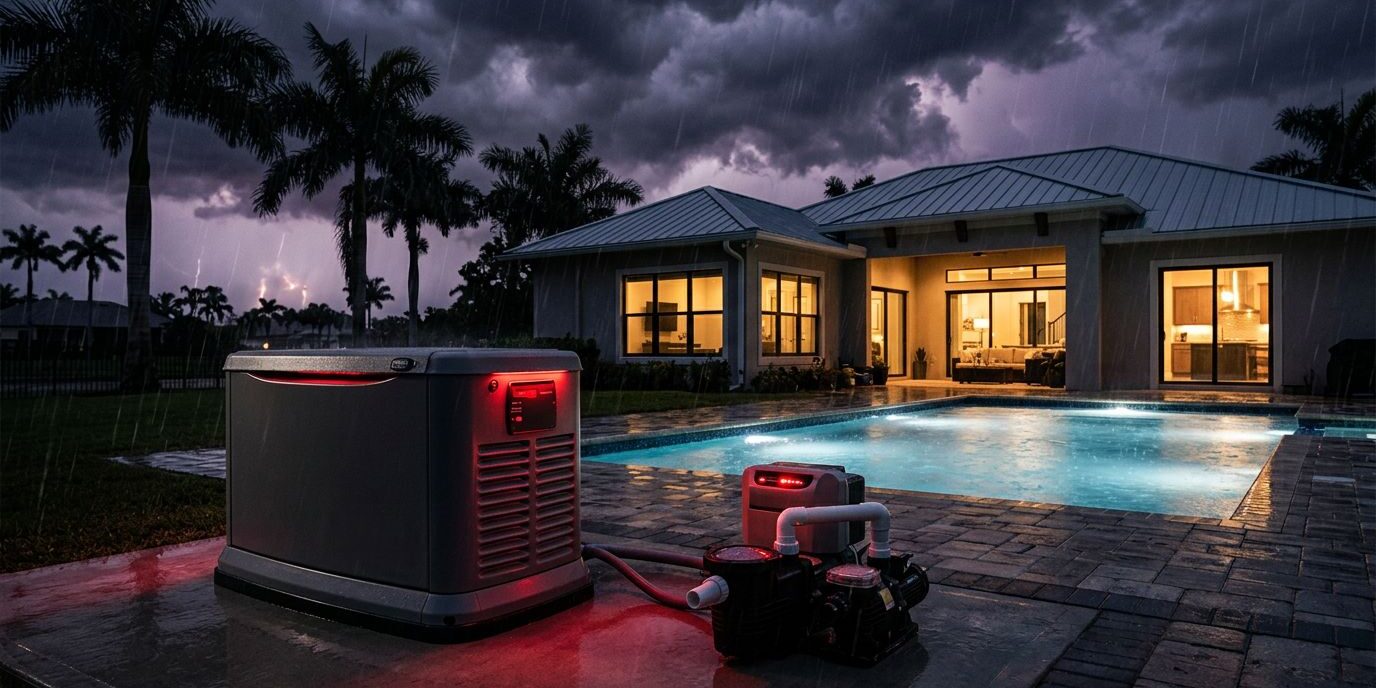
Yes, a properly sized whole-house generator can run a pool pump during a power outage. However, a whole-house generator pool pump setup must account for the pump’s startup surge, voltage, breaker, and the other appliances running at the same time.
This matters in Southwest Florida, where a power outage may last for hours or several days. Keeping the pool pump operating can protect circulation and water quality, but reliable backup power also maintains essential freeze protection during unexpected winter cold snaps. Through it all, the generator must still have enough capacity for the air conditioner, refrigerator, security system, and other essential equipment.
Key Takeaways
- A whole-house generator can power a pool pump when the electrical load is calculated correctly.
- Pool pump motors need extra startup surge power for a few seconds.
- A 240-volt pump requires a generator and transfer switch that support 240-volt circuits.
- Load shedding can delay or cycle the pump when the air conditioner or another large appliance starts.
- A variable speed pool pump, pool heaters, and saltwater systems are separate loads that must be reviewed before installation.
Can a Whole-House Generator Pool Pump Setup Work?
The answer is yes, but the pump must be included in the generator’s load calculation. A generator doesn’t automatically power every appliance in your home simply because it is described as a whole-house unit. The circuits must be connected through the electrical panel and automatic transfer switch.
Most residential inground pool pumps use either 120 volts or 240 volts. Many larger pumps operate at 240 volts because that configuration supports a stronger motor with efficient electrical performance. The generator must provide the correct voltage, and the pool equipment circuit must be wired properly.
The pump’s normal operating wattage is only part of the calculation. Electric motors draw a short burst of extra power when they start. This is called starting wattage, surge wattage, locked-rotor current, or startup surge. If the generator doesn’t have enough capacity during that moment, the pump may fail to start, trip a breaker, or cause the generator voltage to drop.
A standard whole-house unit handles these heavy motor loads much better than a portable generator, inverter generator, or solar generator, which often lack the sustained output needed for 240V equipment.
A 3-horsepower pump running at 240 volts may draw about 17 amps, which equals roughly 4,080 watts while operating. The actual demand depends on the motor design, efficiency, age, and manufacturer specifications. A pool pump electrical discussion provides a useful example of how voltage and amperage translate into wattage.
The pool pump is also only one part of the home’s total demand. In Florida, the central air conditioner often creates the largest startup challenge. If the generator starts the AC compressor and pool pump at the same time, the combined surge may exceed the system’s available capacity.
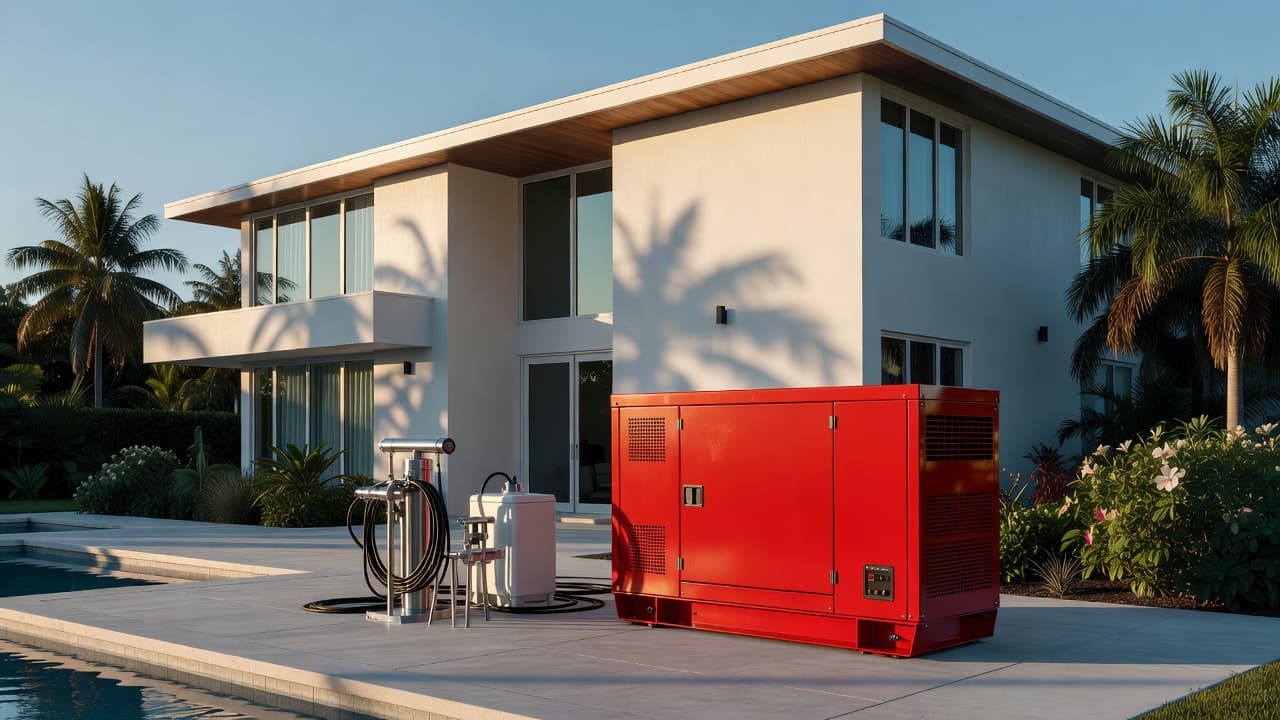
Why Pool Pump Startup Power Changes Generator Sizing
A pool pump may use less electricity after it reaches operating speed, but the first few seconds are the important part. This is why we never size a standby system by adding only the running watts shown on a list of appliances.
The calculation should include:
- The pump’s running amps and startup amps
- The generator’s continuous power rating
- The generator’s short-term motor-starting capacity
- Air conditioner startup demand
- Refrigerators, freezers, and well pumps
- Electric water heaters, ranges, dryers, and chargers
- Pool heaters, salt systems, lights, and other equipment
A variable speed pool pump often provides more flexibility than older single-speed models. Its motor speed can adjust to the circulation requirement, which may reduce ongoing power use. That doesn’t mean every model has a low startup demand or that it can be added without checking the exact wattage requirements. The motor horsepower, model number, and nameplate information still matter.
The pump’s age is important too. Older motors may draw more current, start less smoothly, or have worn components that increase the load. A pump that works normally on utility power may behave differently when connected to a generator that needs a safety buffer to prevent nuisance tripping during peak load moments.
Our whole house generator sizing guide explains the difference between running watts and startup watts. That distinction is especially important for motor-driven equipment, including pool pumps, air conditioners, refrigerators, and well pumps.
A system that supports the pump on paper may still need load management in real conditions. If you want the AC, kitchen appliances, pool pump, and electric water heater operating together, a larger generator may be needed. If the pool pump can wait until the AC starts, load shedding may allow the same generator to handle the home more effectively.
How to Check if an Existing Generator Can Handle the Pump
If you already have a whole-home generator, don’t assume the pool pump is included. The first step is to check the generator’s rated output and the circuits connected to the transfer switch.
Look at the pool equipment panel or dedicated breaker. The nameplate on the pump should show voltage, amperage, horsepower, and sometimes locked-rotor information. Take photos of the pump label and breaker before requesting an evaluation. This gives the technician useful information before arriving.
Next, review what the generator already powers. A system that handles the refrigerator, lights, internet equipment, and one air conditioner may not have enough reserve for a 240-volt pump. Another home with a larger generator and lighter electrical demand may have no problem adding it.
The automatic transfer switch also matters. It moves selected circuits from utility power to generator power during an outage. If an interlock kit is used instead, or if the pool pump circuit is simply not connected to the backed-up panel, the pump will remain off even when the generator is running.
We also check the pump timer and controls. Some pool equipment may have multiple breakers, a controller, a booster pump, or a salt chlorine generator. These components may not start at the same time, but they still add to the total load.
A professional review by a licensed electrician should answer four questions:
- Is the pump circuit connected to generator power?
- Does the generator support the pump’s voltage?
- Can the generator handle the pump’s startup surge?
- What other high-demand equipment may operate at the same time?
If the answer to any of these questions is unclear, a load calculation is safer than trial and error. Repeated overloads can cause nuisance shutdowns and place unnecessary stress on electrical components.
Load Shedding Can Protect the Generator
A load-shedding system can make it easier to operate a pool pump without installing a much larger generator. It temporarily delays or disconnects selected high-energy appliances when the generator is near its limit.
Pool pumps are often good candidates for this type of power management because they don’t need to run every second of an outage. When high locked rotor amps create an initial electrical surge, automated controls can temporarily pause heavy draws to let the system stabilize. Once enough capacity is available, the pool pump can start.
A load shed module for pool pumps can coordinate those demands automatically. This is more reliable than asking someone to reset breakers during a storm or manually choose which appliance should run.
The transfer switch and load-management system must be planned together. An automatic transfer switch controls how the home changes between utility and generator power, while load management helps keep the generator within its operating limits.
Load shedding is not a substitute for correct sizing. It is a way to control demand when the system has enough capacity for the home’s essential loads but not enough capacity to run every large appliance simultaneously.
The pool heater needs separate attention. An electric pool heater can require far more power than the pump or a standard salt chlorine generator. A gas pool heater may not use the same amount of electricity, but it adds demand to the home’s natural gas or propane supply. The generator, water heater, range, dryer, and pool heater all share that fuel system.
Fuel and Installation Details Matter in Southwest Florida
Electrical capacity is only one part of reliable pool pump backup. The generator also needs a dependable fuel supply.
For natural gas systems, the utility meter must support the combined gas demand of the generator and every other gas appliance. A larger standby unit, gas water heater, range, or pool heater may push the total load beyond the existing meter capacity. If that happens, the utility may require a meter exchange or service-line change before installation.
Propane systems and heavy-duty diesel generator setups require a different review. The technician must consider tank size, regulator capacity, line sizing, and expected runtime. After a major hurricane, fuel deliveries may be delayed by flooding, debris, or road closures. A tank that handles a short outage may not provide enough runtime for a long recovery period.
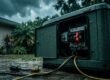
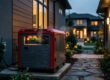
Generator placement is also important around pool equipment and outdoor living areas. Exhaust must stay away from doors, windows, vents, and other openings. Depending on the manufacturer instructions and local requirements, the unit may need to be at least 20 feet from openings.
Southwest Florida properties bring additional concerns, including salt air, heavy rain, drainage, flood zones, and pad elevation. Pool equipment should not block access to the generator, and landscaping should not restrict airflow around the enclosure. Leaves, grass, standing water, and loose outdoor items can create problems during a storm.
A licensed electrician or installer should review the site, electrical panel, fuel supply, permits, setbacks, and equipment location before the generator is selected. That process prevents a common mistake, which is buying a generator first and discovering later that the home cannot safely support the planned load.
Maintenance Keeps Pool Pump Backup Reliable
A generator can be large enough for the pool pump and still fail during an outage if maintenance has been ignored. Standby systems depend on a healthy battery, clean filters, proper oil levels, secure wiring, and stable fuel pressure.
Routine service should include an oil and filter change, battery testing, startup testing, inspection of electrical connections, and checks of the fuel system. The unit should also exercise on its scheduled cycle so problems can be found before hurricane season.
Pool areas deserve an extra inspection after severe weather. Check for standing water, damaged fencing, loose furniture, fallen branches, and debris near the generator. Never operate the system in a garage, shed, lanai, or another enclosed space.
Salt air can increase corrosion on exposed terminals, fasteners, and connections. Heavy rain can also affect drainage around the pad. If the generator sounds different, struggles to start, shuts down under load, or displays an alarm, schedule professional service instead of repeatedly restarting it.
When we install or evaluate a system, we recommend keeping installation records, service invoices, inspection notes, and repair documentation together. A clear service history helps technicians identify recurring issues and confirms that the generator received proper care.
Frequently Asked Questions
Can any whole-house generator run a pool pump?
Not automatically, as the pump must be specifically included in the generator’s load calculation and wired into the transfer switch. A professional review is necessary to ensure the unit has enough capacity for both running watts and startup surges.
How does startup surge affect the pool pump setup?
Pool pump motors draw a short burst of extra power when they first turn on, which requires a higher temporary electrical output. If the generator lacks sufficient motor-starting capacity, the pump may fail to start or trip the circuit breaker.
Can load management help if my generator is slightly undersized?
Yes, a load-shedding system can temporarily delay or cycle heavy appliances like the air conditioner when the pool pump starts. This prevents overloads and allows a moderately sized generator to safely handle multiple high-demand systems.
Conclusion
A whole-house generator can run a pool pump when the system is sized, wired, and maintained correctly. The most important details are startup surge, voltage, transfer-switch connections, total home demand, and the fuel supply.
Reliable backup power is essential during extended outages, and a pool pump is manageable for many standby systems, but it cannot be evaluated by itself. Air conditioning, pool heating, water heating, and other motor-driven equipment may all compete for the same power reserve.
If you’re planning a new installation or checking an existing system, Get a Free Consultation to review your generator capacity and pool equipment. Proper planning keeps the pump available without sacrificing the safety and comfort your home needs during an outage.