

A standby generator can be the right size on paper and still struggle the moment your air conditioner, water heater, and refrigerator all want power at the same time. That is where a load shed module comes into the picture.
In Southwest Florida, we see this question a lot because homes ask a lot from backup power systems. If your system is close to its limit, load shedding can keep the generator from overloading and help the most important circuits stay on.
Key Takeaways
- A load shed module protects a home generator from overloading by using load management to pause lower-priority circuits when power demand climbs.
- It matters most when a generator is close to capacity, rather than when there is plenty of spare electrical output available.
- The module often works in tandem with a smart transfer switch or other centralized power management controls.
- Proper standby generator sizing must always come first, because the module cannot compensate for a system that is fundamentally undersized for your home.
- In Southwest Florida homes, high-energy appliances like the air conditioner and water heater make this question particularly important for power reliability.
What a Load Shed Module Does in a Home Generator
A smart management module monitors the total power consumption of your home and automatically manages non-critical loads when demand exceeds the available capacity. Think of it as a pressure valve for your backup system. When the demand spikes, perhaps due to the starting surge of a large appliance, the load shedding device instructs specific circuits to pause temporarily.
This process happens seamlessly behind the scenes. For example, the water heater may pause while the air conditioner starts, or a pool pump may hold off until the generator has sufficient headroom. By utilizing frequency monitoring to detect fluctuations, the system identifies when the generator is nearing a potential generator overload. The essential circuits remain powered continuously, while less urgent systems cycle on and off as needed.
A load shed module does not add power. It helps the generator use the power it already has in a smarter way.
In many homes, this technology is the difference between smooth backup power and a system that trips, stalls, or struggles under pressure. Effective load management is not about running every appliance at once. Instead, it is about keeping the right equipment powered when the house asks for more energy than the generator should provide simultaneously.
When We Start Recommending One
We usually start talking about a smart management module when a homeowner wants more comfort from a backup system than the generator can safely deliver at one time. That happens a lot with larger homes, homes with electric water heating, and homes that expect the air conditioning to stay on during an outage. Effectively managing loads is the key to ensuring your essential appliances keep running without overloading the system.
The tighter the generator is sized, the more valuable load management becomes. If the home is already close to the edge, a module can keep one big appliance from knocking the whole system out of balance.
Here is a simple way to look at it:
| Home setup | What we usually see | Module makes sense? |
|---|---|---|
| 50 Amp generator sized tight | Essentials run, but heavy loads can push the system too hard | Yes |
| 60 Amp generator with extra capacity | The system has room for more simultaneous loads | Maybe not |
| Residential load with comfort and critical needs | AC, water heater, and air conditioner may not all run together | Often |
| Existing smart transfer setup | Load control may already be part of the system | Check first |
The table keeps it simple. The less headroom you have, the more useful load shedding becomes.
Load Shed Module vs Generator Sizing
A load shed module is not a substitute for proper sizing. If the generator is too small for the home, a control module only delays the problem. We still need the right generator size first, then we can decide whether load management belongs in the plan.
That is why we always look at the whole home load, not just the generator label. When major appliances like air conditioners, refrigeration, water heating, and well pumps cycle on simultaneously, the resulting Locked Rotor Amps can put significant stress on your home electrical system. Even if a home looks manageable on paper, these spikes in demand often necessitate effective load management to maintain stability.
If you want to understand that side of the decision better, our whole house generator sizing guide breaks down how capacity and home demand work together.
A good rule is this: if the generator already has plenty of room, a load shed module may not change much. If the system is close to its limit, the module becomes a vital part of the safety plan. It is worth noting that while these modules are standard for large standby units, they are rarely used with a small inverter generator, which is generally intended for much lighter, manual power needs.
How It Works With the Transfer Switch
A load shed module also has to work with the automatic transfer switch. The switch acts as the traffic cop, routing power where it needs to go, while the module helps decide which circuits can wait when the demand spikes. In many cases, this device functions as a smart management module that uses a contactor to physically break the circuit during a power overload, ensuring your generator remains within a safe operating range.
In many modern systems, this functionality is built directly into an automatic transfer switch or a dedicated load management controller. In other setups, it is a separate accessory housed in a NEMA 3R enclosure for maximum outdoor durability. Some newer models even utilize wire-free technology, which significantly simplifies the installation process by reducing the amount of wiring needed between the switch and the loads.
If that part of the system feels confusing, our automatic transfer switch basics page is a good place to start. It helps clear up how the generator, switch, and circuits work together.
The important thing is not the specific label or configuration. It is the end result. If the right circuits stay on and the generator avoids an overload, the system is doing its job effectively.
Why Southwest Florida Homes Ask for It So Often
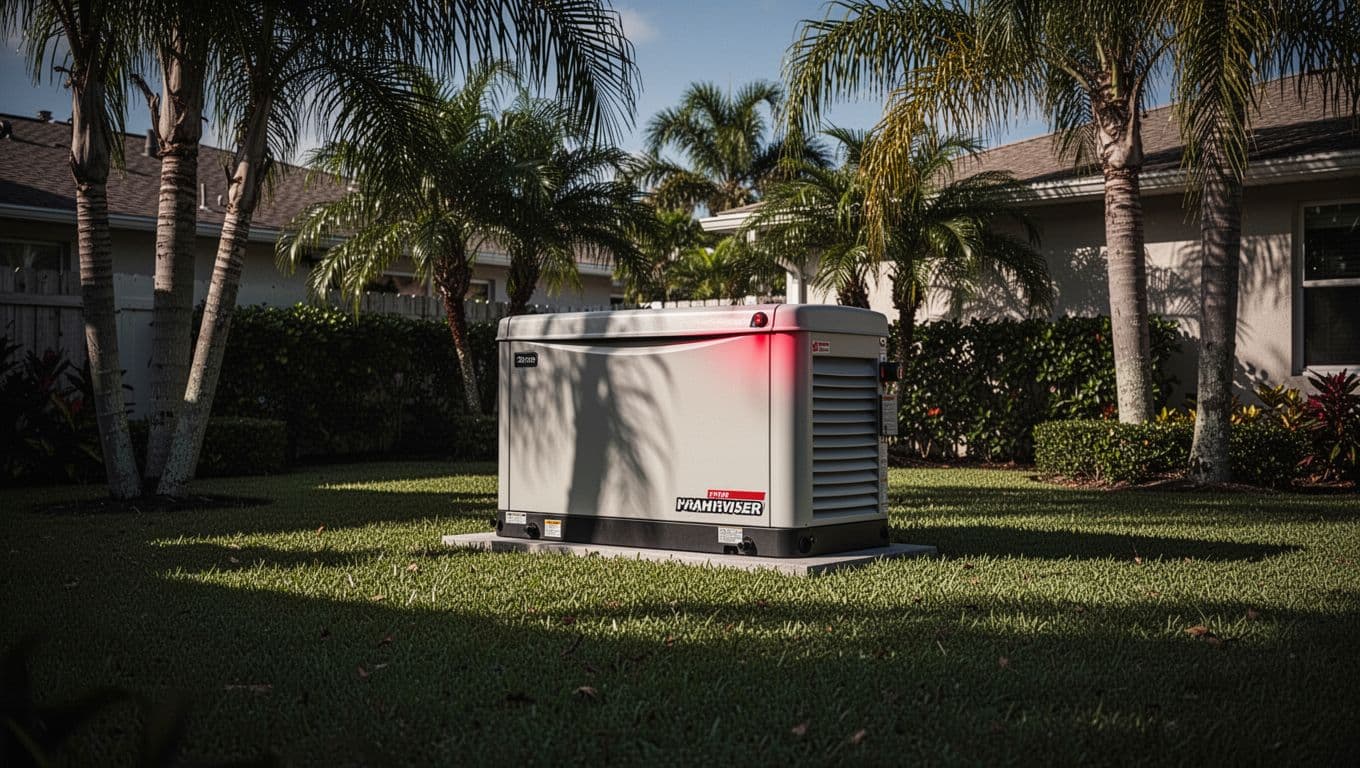
Southwest Florida changes the math. In July, the air conditioner is not optional. It is one of the biggest loads in the house, and it often needs to start right when the generator is already working hard.
Storm season makes the question of preparing for a power outage even more important. During a long event, we want the generator to keep the refrigerator, cooling, and other essentials online without getting pushed too far. A load shed module helps us prioritize the home instead of gambling on every appliance starting at once.
That matters even more when the house has a mix of comfort loads and critical loads. A generator can protect the home, but only if the priority selection in your load plan makes sense. Fixed RPM generators rely on automatic shedding to prevent a stall when a heavy air conditioner compressor kicks on. Pool equipment, water heaters, and other heavy circuits can stay in the picture, but they do not always need to run at the same time.
If you are not sure where your home stands, Get a Free Consultation and we can look at the generator size, the circuit plan, and the best way of managing loads to see whether load shedding fits the setup.
Frequently Asked Questions
Does a load shed module provide extra power for my home?
No, a load shed module does not generate or add extra electricity to your system. It simply monitors your current power usage and temporarily pauses non-essential circuits to prevent the generator from exceeding its maximum capacity.
Can I install a load shed module instead of upgrading to a larger generator?
It is not a substitute for proper sizing, as a module cannot compensate for a system that is fundamentally too small for your home’s energy needs. We always recommend confirming your generator is sized correctly for your essential loads first, then using a module to manage the balance during peak demand.
Which appliances are typically assigned to be shed?
We usually target high-energy, non-critical appliances like pool pumps, electric water heaters, and secondary HVAC units. By prioritizing essential systems like your primary refrigerator, lighting, and core air conditioning, the module ensures your most important household functions remain online during an outage.
Do all standby generators require a load shed module?
Not every home requires one, as it depends heavily on your generator’s capacity relative to your home’s total electrical demand. If your generator has significant spare capacity, a module may not be necessary, but it becomes a vital tool for systems that are sized close to their limit.
Conclusion
A load shed module is worth considering when your generator is powering a home that demands significant energy at once. It helps manage demand, protects the system from overload via its built-in lock-out feature, and keeps the most important circuits running when your power usage gets heavy.
We do not need to install one in every home. We recommend it specifically when the generator size is tight and your backup plan needs to be smarter. Investing in a reliable load shedding device is the type of project worth sorting out before storm season begins, ensuring you remain prepared for the next power outage rather than waiting until the lights go out.