


A Florida generator warranty can look simple until a claim is on the line. Then the details matter, and small paperwork gaps or missed maintenance can slow everything down.
That is why homeowners in South Florida need clear answers regarding their backup power systems before hurricane season, not after a problem starts. We see the same pattern over and over; good equipment gets blamed for issues that started with installation, service, or documentation.
Key Takeaways
- Most standby generator warranties cover factory defects and manufacturing issues, but they do not protect against neglect, misuse, or improper installation.
- Keeping detailed maintenance records is essential, as missing service history can make it significantly more difficult to get your warranty claims approved.
- Maintaining clean paperwork, including original permits and official inspection records, is vital to protect both your initial installation and any future requests for coverage.
- The unique Florida climate, characterized by intense heat, humidity, salt air, and severe storms, places extra pressure on your standby generator and its components.
- If you find that a specific issue falls outside the scope of your warranty coverage, seeking professional repair support remains the most reliable next step to restore power.
What a standby generator warranty usually covers
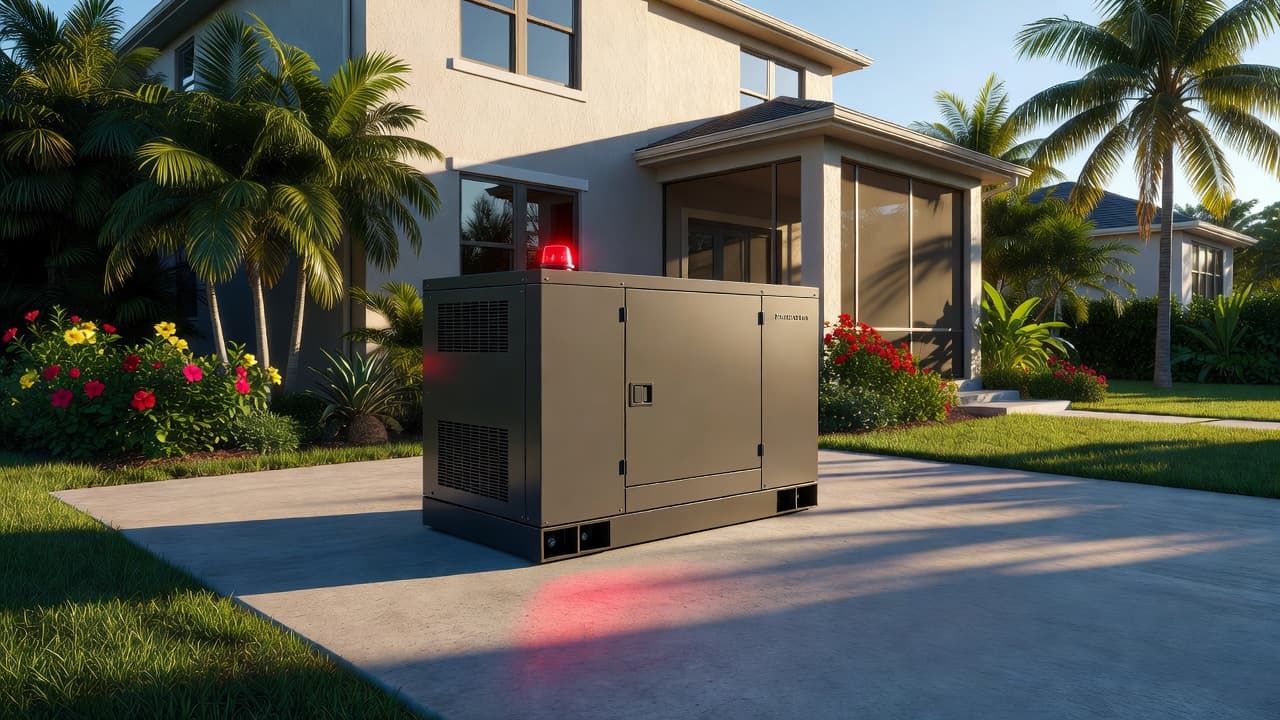
Most residential standby generators come with warranties built around defects in parts or workmanship. That means the manufacturer may cover a component that fails early, but not damage that results from poor care, bad fuel, flood water, or a system that was installed incorrectly.
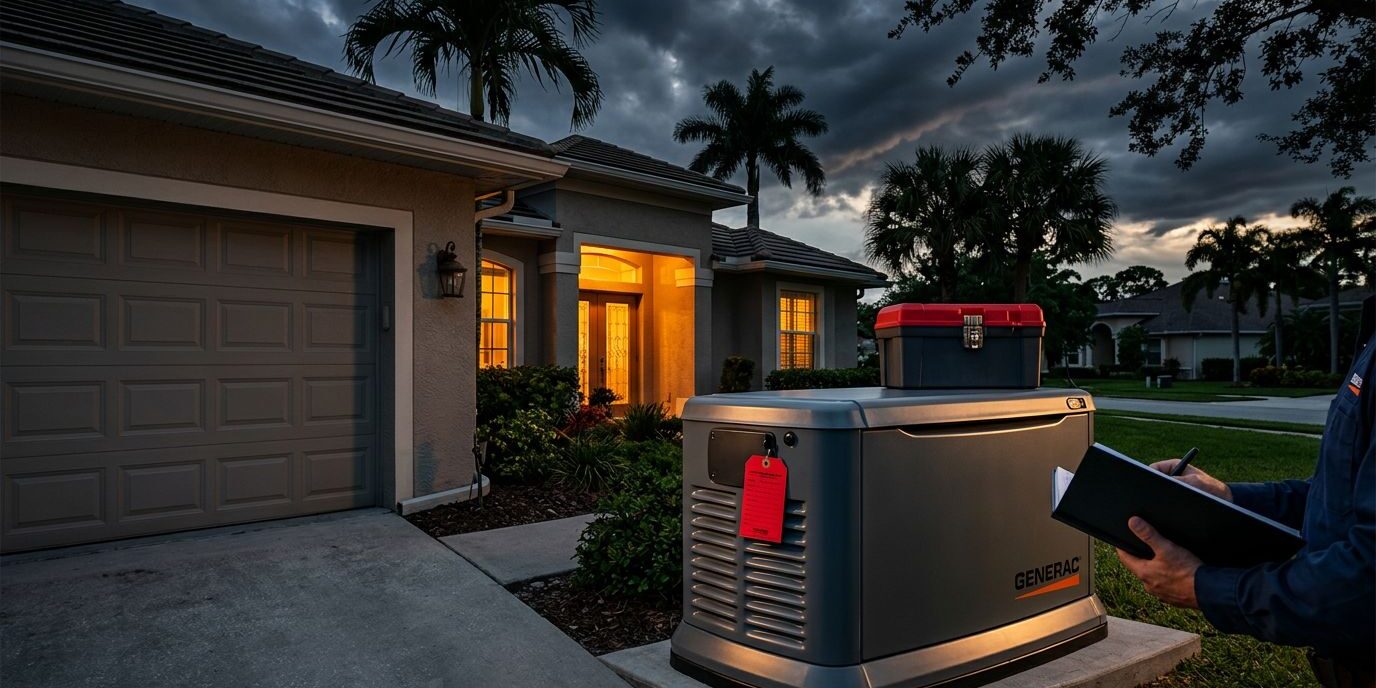
A clean installation is critical for your protection. When you choose to purchase your unit through a certified Generac dealer, you ensure that the equipment is sized correctly, documented properly, and set up to satisfy the requirements of your manufacturer warranty. This makes the entire process of filing a claim much simpler.
Here is a quick look at how warranty coverage usually breaks down.
| Usually covered | Usually not covered |
|---|---|
| Factory defects in parts and labor | Wear from missed maintenance |
| Workmanship issues | Damage from flooding or surge events |
| Failed components under normal use | Corrosion from neglect or poor placement |
| Problems tied to approved installation | Problems caused by unlicensed work |
The short version is simple. Your warranty coverage protects the equipment, but it does not replace the need for proper care, professional installation, or maintaining thorough records.
What can void a Florida generator warranty
The biggest warranty problems are usually not dramatic; they are the routine misses that pile up over time and can easily void warranty coverage if left unaddressed.
Neglecting preventative maintenance is the primary culprit. If oil changes, filter changes, spark plug service, or battery checks are skipped, the unit can fail in ways that are hard to separate from simple neglect. Many service plans outline specific maintenance intervals, typically calling for oil changes every 100 to 200 hours or once a year if the unit sits unused. Air filters often need attention around 100 to 150 hours, and spark plugs commonly fall in the 200 to 300 hour range, depending on the model and the job site. Consistent care is required to ensure you qualify for factory warranty repairs should an unexpected issue arise.
Installation problems can create just as much trouble. Poor placement near windows, doors, AC equipment, or setback lines can trigger code issues. Bad exhaust clearance is another common problem because the unit needs the right distance from openings and other structures. If the installation does not match the approved plans, a claim can turn into a difficult paperwork dispute.
Fuel issues matter too. A standby generator depends on the correct gas load, line sizing, and meter capacity. If the system was underfed from day one, the damage may look like a generator problem when the real issue started elsewhere.
That is why we always tell homeowners to keep the unit clean, serviced, and documented. A warranty is much easier to use when the system has been treated like a serious piece of equipment.
Why maintenance records matter more than most homeowners think
A warranty claim is a lot like a storm prep plan. If the service documentation is available, the process is much smoother. If these records are missing, everyone spends more time sorting out what happened rather than fixing your power issues.
We recommend keeping every service invoice, inspection note, and installer record in one centralized location. Keep your original installation paperwork as well, including the permit, the cut sheets, and any notes about placement or screening. If your generator has a weekly exercise cycle, keep that schedule on file too.
That is where routine service pays off twice. It keeps the generator ready for an outage, and it creates a comprehensive history of service documentation that supports a claim later.
Our scheduled generator maintenance services are built around this principle, as a professional service plan is the best way to protect the value of the equipment you have invested in.
If the service documentation is missing, the warranty conversation gets harder fast.
Homeowners who want a broader list of service questions can also review our generator installation and maintenance FAQs. It helps to know the basics before the first problem shows up.
How installation paperwork affects a warranty claim
A clean warranty file starts with a clean install file. If the board, an inspector, the utility company, or the manufacturer asks questions later, the answer should already be in your documentation packet. When you need repairs, an authorized service center often requires a complete installation packet to process a warranty claim efficiently.
We look for a few things every time:
- A survey or site sketch that shows exact placement
- The manufacturer cut sheet with dimensions and sound rating
- Permit and installer information
- A simple note about screening, shrubs, or fencing if the HOA asked for it
- A carbon monoxide safety note
- The planned weekly exercise schedule
That kind of packet does two jobs. It shows that the generator was not installed by guesswork, and it keeps the conversation focused on facts. Furthermore, keeping this documentation organized is essential because some premium generator models or special promotional offers may include a 10-year warranty, provided the installation is correctly documented according to manufacturer standards.
In Southwest Florida, this matters because permits and inspections can stall when a project sits too long. A delayed inspection can turn into an expired permit, and then everyone has more paperwork to redo. That does not always void a warranty, but it can complicate the claim process if the installation history is messy.
If you are still in the middle of the installation process, it pays to get the paperwork right before the unit is running. That is the point where small misses are still easy to fix.
Common Florida warranty questions we hear
Does the Florida climate change warranty coverage?
Not on its own. Heat, humidity, and salt air do not cancel a warranty, but they do raise the odds of corrosion, clogged parts, and battery trouble if the unit is not maintained. If the generator is installed too close to salt spray or gets no routine service, the issue may look like a warranty problem when it is really a care problem.
Does a weekly exercise cycle matter?
Yes, because it helps the generator stay ready and it also creates a maintenance record. A regular exercise cycle can make the unit easier to inspect, and it may expose issues before the next outage. If the test runs at odd times or the unit sounds louder than it should, neighbors may complain, which is one reason boards like to see a proposed schedule.
What if the generator was never registered?
That can slow things down. Some manufacturers, such as those producing Kohler generators, want the product registered within a specific timeframe, and missing that step can make a claim harder to process. We always tell homeowners to keep proof of purchase, the install date, the serial number, and service records together to ensure a smooth claim process.
If the problem is not covered, what then?
Then repair is still the next step. A covered warranty claim and a general repair issue can look similar at first, but they do not always follow the same path. If your issue falls outside of warranty coverage, our emergency generator service is ready to help. Our factory-certified technicians are equipped to handle both factory warranty repairs and general maintenance to get your unit back in working order quickly.
If you want us to review the setup before the next storm season, Get a Free Consultation and we can look at the installation, the records, and the next step.
How to protect your warranty before the next storm season
The best way to safeguard your coverage is simple. Prioritize preventative maintenance, keep your paperwork organized, and address small mechanical issues before they evolve into major repair bills. These proactive steps are essential for ensuring any standby generator in Florida remains fully covered under the manufacturer warranty.
This means checking the oil, filters, spark plugs, and battery on a consistent schedule. It also involves ensuring the unit maintains proper clearance, has a reliable fuel supply, and follows a documented inspection trail. During a typical Florida storm season, these fundamental tasks matter much more than flashy add-ons or aftermarket upgrades.
We also recommend a professional service review before hurricane season begins. If your unit has not been inspected in a while, that is the perfect time to address any concerns. Your generator should be ready to perform when the power fails, rather than waiting until the first outage reveals a gap in your readiness.
Conclusion
Your generator warranty is only as reliable as the quality of your installation, your documented service history, and the organization of your paperwork. This is the critical aspect that many homeowners overlook until they are already facing a delayed or denied claim.
By prioritizing professional maintenance and keeping your installation records in order, you ensure that your generator warranty functions exactly as intended when you need it most. In Florida, this level of preparation is not just an extra precaution. It is a vital part of owning standby power with confidence and peace of mind.