


A standby generator serves as a backup power source that keeps your home operational during a power outage, but homeowners insurance generator damage coverage depends on what caused the problem. A policy may help pay for storm, fire, lightning, theft, or vandalism damage. It usually won’t pay for a failed battery, worn engine, missed maintenance, or ordinary mechanical breakdown.
Southwest Florida homeowners face added concerns from severe weather, including hurricanes and heavy rain, as well as salt air, corrosion, and power surges. Before you file a claim, you need to know how your generator is classified, which policy coverage applies, and whether your deductible is higher for windstorm damage.
Key Takeaways
- Homeowners insurance may cover a permanently installed generator when damage results from a covered peril such as wind, lightning, fire, theft, or vandalism.
- Standard policies usually do not cover normal wear, poor maintenance, internal mechanical failure, corrosion, improper installation, or damage caused only by a power outage.
- Flood damage, power surges, hurricane deductibles, and equipment breakdown coverage depend on the policy’s specific terms, limits, exclusions, and endorsements.
- Before filing a claim, prioritize safety, document the damage, preserve service records, and have a qualified technician identify the cause of failure.
- Professional installation, routine maintenance, surge protection, and organized records can reduce generator problems and strengthen your position during a claim.
Does Homeowners Insurance Cover Standby Generator Damage?
In many cases, yes. A permanently installed standby generator, including a whole-house generator, is often treated as part of the home or as another permanently installed structure. Depending on the policy and installation, the generator may fall under dwelling coverage or other structures coverage.
The important question isn’t only whether the generator is listed on your policy. The cause of the damage matters just as much, particularly whether it resulted from one of the policy’s covered perils.
A covered loss may include:
- Lightning that damages the generator or transfer switch.
- Wind or wind-driven debris that damages the enclosure, wiring, or engine.
- Fire damage caused by a covered event.
- Theft or vandalism, if those perils are included.
- Certain power surge damage, when the policy provides that protection.
Coverage is usually subject to the policy limit, exclusions, and deductible. A windstorm claim may also involve a separate hurricane or windstorm insurance deductible, which can be much higher than your standard deductible. The wording varies by insurer, so your declarations page and endorsements deserve a careful review.
The Openly explanation of generator insurance coverage also points to the difference between damage caused by a covered event and a generator that stops working because of age or wear.
A generator can be permanently installed and still lack coverage for internal mechanical failure because of policy exclusions. Installation status affects how the equipment is classified, but it doesn’t remove those exclusions.
The same basic idea applies to the transfer switch and related wiring. If lightning damages the complete system, the claim may include more than the generator cabinet. If the transfer switch fails without a covered cause, standard homeowners insurance may not respond.
What Homeowners Insurance Usually Covers
Insurance is designed to help with sudden, accidental physical losses caused by covered perils. It isn’t a service contract for keeping the generator operational.
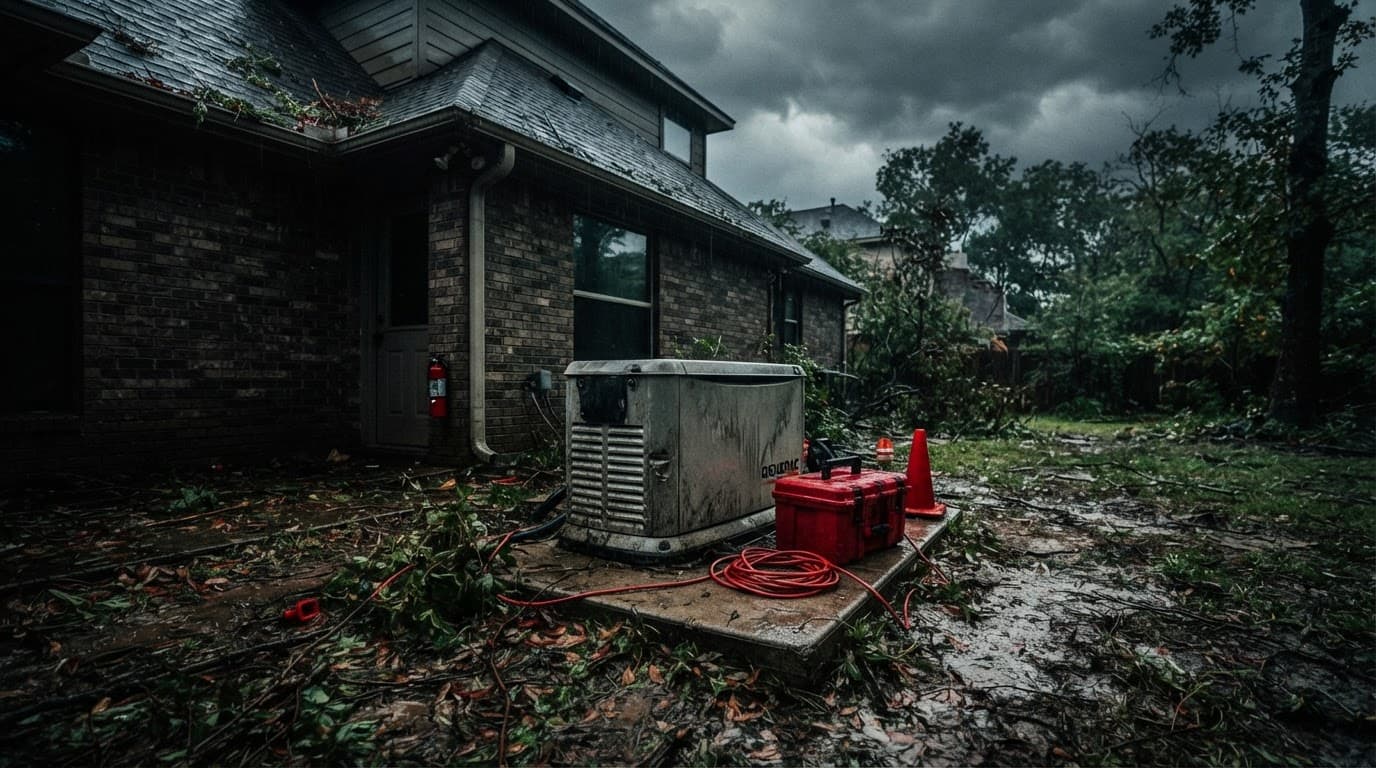
For example, a hurricane may send debris into a whole-house generator and break the housing. Lightning may damage the control board or the home’s electrical system. A fire may destroy the unit along with part of the home’s wiring or electrical panel. These situations are different from a generator that won’t start because its battery is five years old.
Coverage can also depend on the type of generator and the source of the damage. A permanently installed whole-house generator is often treated differently from a portable generator, which may fall under personal property coverage. A storm-related electrical event may damage the generator, air conditioner, pool equipment, and appliances at the same time. Your policy may cover some of those losses, but surge protection terms can vary. Some policies include limited protection, while others require a special endorsement.
A working generator may also help prevent secondary losses during a prolonged power outage, such as food spoilage or frozen pipes. However, coverage for spoiled food, water damage, and other resulting losses depends on the policy’s terms, limits, exclusions, and the cause of the outage.
We recommend asking your insurance agent or an independent insurance agent these questions before storm season:
- Is the permanently installed generator included under dwelling coverage or other structures coverage?
- What limit applies to the generator and transfer switch?
- Does the policy cover lightning and power surge damage?
- Does a hurricane or windstorm deductible apply?
- Is equipment breakdown coverage available for generator failure?
- Are flood, corrosion, pest damage, or poor maintenance excluded?
A generator damaged by rising water is another important example. Standard homeowners insurance typically doesn’t cover flood damage. If floodwater enters the enclosure or reaches the electrical components, you may need separate flood insurance, depending on the source and circumstances.
The policy may also address damage caused by improper installation. A generator placed too close to an opening, installed without required permits, or connected incorrectly can create coverage problems. Professional work and complete installation records give you a stronger position if an adjuster needs to review the system.
For context, insurance guidance on adding a permanent generator explains why a whole-home unit is commonly handled differently from portable personal property.
What Insurance Usually Does Not Cover
Most homeowners policies don’t cover the cost of repairing a generator simply because it stopped working. A mechanical failure inside the engine or electrical system is normally handled through maintenance, a manufacturer warranty, a service agreement, or optional equipment breakdown coverage.
Common exclusions include:
- Normal wear on the engine, battery, belts, filters, or spark plugs.
- Mechanical failure caused by age or extended use.
- Damage connected to missed oil changes or neglected service.
- Rodent-chewed wiring, insect contamination, and corrosion caused by poor care.
- Improper installation or unlicensed electrical work.
- The cost of buying a generator after an outage.
- Fuel, routine inspections, oil changes, and other maintenance expenses.
- Damage caused only by a power outage, without a separate covered event.
Equipment breakdown coverage may help with certain sudden electrical or mechanical failures. It is different from a standard home insurance policy because it focuses on the equipment itself, not only on damage caused by fire, wind, or lightning. Ask whether the endorsement includes permanently installed generators and transfer switches. Also ask about limits, exclusions, service fees, and deductibles.
A warranty is not the same as insurance. A manufacturer may cover a defective part, but warranties generally don’t cover storm damage. They also may exclude problems tied to neglected maintenance, incorrect installation, or unauthorized modifications.
This is why routine care matters even when you never submit a claim. A unit may look clean outside while the battery terminals corrode, wires weaken, or insects enter the cabinet. Southwest Florida heat, humidity, rain, and salt air can accelerate these problems.
How to File a Generator Damage Claim
If a storm damages your standby generator, safety comes before documentation. Don’t open the cabinet, reset the system repeatedly, or attempt an electrical repair when water or visible damage is present. A damaged generator can create shock, fire, or carbon monoxide hazards.
Once the area is safe, take clear photos of the unit, pad, transfer switch, wiring, debris, water marks, and nearby property damage. Keep damaged parts when practical, unless they create a hazard or the insurer instructs you to remove them. This documentation can support your insurance claim and help the adjuster determine the cause and extent of the loss.
Report the loss to your insurance company and ask what information the adjuster needs under your home insurance policy. You may be asked for:
- The generator model and serial number.
- Purchase and installation records.
- Permit and inspection documents.
- Photos from before the storm, if available.
- Recent service invoices and inspection notes.
- A written repair estimate.
- Details about when the generator last operated normally.
Don’t authorize a full replacement before the insurance company has had a reasonable chance to inspect the damage, unless emergency work is needed to protect the property. Keep receipts for reasonable temporary measures and explain why the work was necessary.
The insurer may send an adjuster, request a technician’s diagnosis, or ask whether the issue came from wind, surge, flood, mechanical failure, or maintenance. A clear service history helps separate storm damage from a pre-existing problem. Your policy’s valuation method also affects the payment. Replacement cost coverage may pay the amount needed to replace the damaged generator with a comparable new system, while actual cash value typically accounts for depreciation.
If the generator failed during an outage but shows no visible storm damage, have a qualified technician diagnose it before assuming insurance will pay. The cause of failure is often the deciding factor in a homeowners insurance generator damage claim, so include the technician’s findings with your insurance claim.
Protecting Your Generator Before the Next Storm
Good installation and maintenance reduce both equipment problems and claim complications. Professional installation helps ensure the standby unit has proper clearance, safe exhaust placement, a stable pad, and a fuel supply sized for the home’s total demand. In Lee, Collier, and nearby Southwest Florida communities, permits and inspections also matter, especially when preparing for severe weather and a potential power outage.
Homeowners should keep the area around the generator clear of mulch, stored materials, leaves, low branches, and standing water. Do not add screening that blocks airflow or traps hot exhaust. Coastal properties may need closer attention to corrosion on terminals, connectors, grounding points, and fasteners. Some insurers may also offer an insurance premium discount for approved safety features or properly installed backup power equipment, so ask before completing the installation.
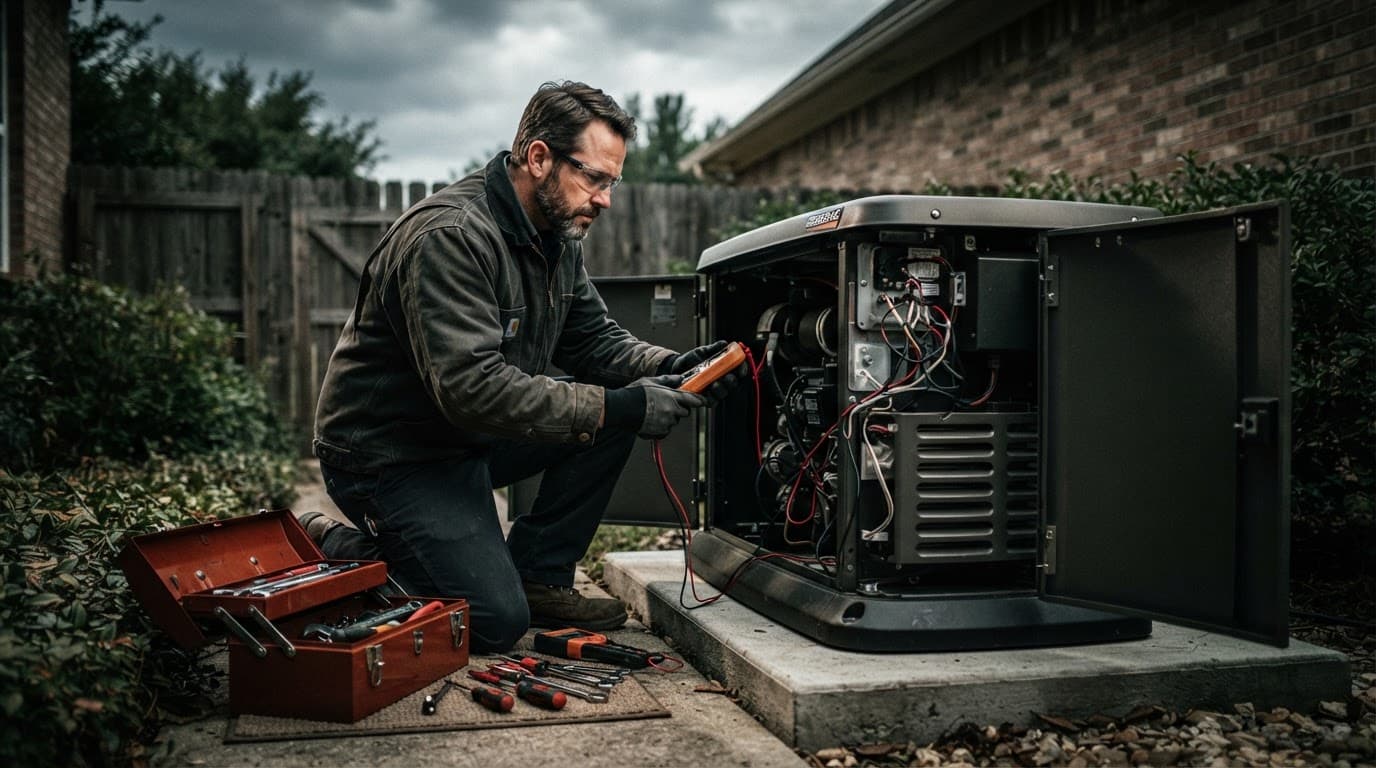
Routine service should include oil and filter checks, battery testing, cable inspection, air intake review, and a test of the automatic exercise cycle. Heavy runtime after a hurricane may shorten the next service interval. Follow the manufacturer’s schedule instead of waiting for a warning code.
Keep every invoice, inspection note, repair record, permit, and installation document in one location. These records support warranty work, help technicians find problems faster, and give your insurer a clearer maintenance history.
Surge protection is another practical layer of protection. A whole-home system can help reduce the effect of voltage spikes on the home’s electrical equipment, although it doesn’t replace insurance or guarantee that no equipment will be damaged. You can review whole-home surge protection options when protecting the generator, transfer switch, appliances, and sensitive electronics together.
Questions to Ask Before Installing or Insuring a Generator
Before installation, confirm that the equipment, location, electrical work, gas service, and permits meet local requirements. A properly documented installation is easier to service and easier to explain during a claim.
Ask an independent insurance agent whether the generator should be covered through scheduled personal property coverage or whether the existing dwelling limit is enough. A newer whole-home unit, transfer switch, pad, and related wiring may represent a significant investment, so review your home insurance policy and replacement valuation rather than assuming the policy limit automatically matches the cost to replace everything.
Ask your generator provider how maintenance records are handled and what service plan fits your runtime, fuel type, and coastal conditions. SWFL Generator provides whole home and standby generators for homeowners throughout Fort Myers, Naples, Cape Coral, Lehigh Acres, Bonita Springs, and nearby communities.
If you want help reviewing installation needs or protecting your backup system, Get a Free Consultation before the next storm creates an urgent problem.
Frequently Asked Questions
Does homeowners insurance cover a whole-house generator?
Often, yes. A permanently installed generator may fall under dwelling coverage or other structures coverage when it is damaged by a covered event, such as wind, lightning, fire, theft, or vandalism.
Does homeowners insurance cover a generator that stops working?
Usually, not if the failure results from normal wear, an old battery, poor maintenance, or internal mechanical breakdown. Equipment breakdown coverage, a warranty, or a service agreement may provide protection for some of these problems.
Is storm surge or flood damage to a generator covered?
Standard homeowners insurance typically does not cover damage caused by rising floodwater. Separate flood insurance may be needed, depending on the source of the water and the policy’s terms.
What should I do if a storm damages my generator?
Stay away from the unit if there is water, visible electrical damage, or a carbon monoxide risk, and don’t attempt repairs yourself. Take photos from a safe distance, contact your insurer, keep relevant records, and arrange for a qualified technician to diagnose the damage.
Will a hurricane deductible apply to generator damage?
It may, if the damage is attributed to hurricane or windstorm activity and your policy includes a separate deductible for those events. Review your declarations page or ask your insurance agent how the deductible applies before filing a claim.
Conclusion
Homeowners insurance generator damage may be covered when a standby generator is harmed by a covered event such as wind, lightning, fire, theft, or vandalism. A comprehensive home insurance policy can also protect against related losses, including food spoilage or frozen pipes, when an outage results from a covered incident. It usually won’t cover normal wear, missed maintenance, internal breakdown, poor installation, or damage caused only by an outage.
The strongest protection comes from combining the right insurance coverage with professional installation, routine service, surge protection, and organized records. When a storm leaves the generator silent, those details can help determine whether you have a repair expense or a covered loss.