


Benefits of Generator Monitoring for a More Reliable Home
A standby generator may sit unused for months, yet it has to start immediately when the power fails. That uncertainty is why generator monitoring matters for homeowners who depend on backup power.
Generator monitoring lets you check operating status remotely, receive alerts, and review performance details before a small issue becomes an outage-day problem. From our experience servicing generators, we know that timely information and support from SWFL Generator can make storm preparation feel far less stressful.
Key Takeaways
- Generator monitoring can alert you to warning signs before an outage exposes them.
- Remote status checks help confirm exercise cycles, alarms, and battery condition.
- Available readings depend on the generator model and monitoring system.
- Monitoring supports maintenance, but it can’t replace professional inspections.
- Seasonal homes and storm-prone properties often benefit most from remote alerts.
Benefits of Generator Monitoring for Homeowners
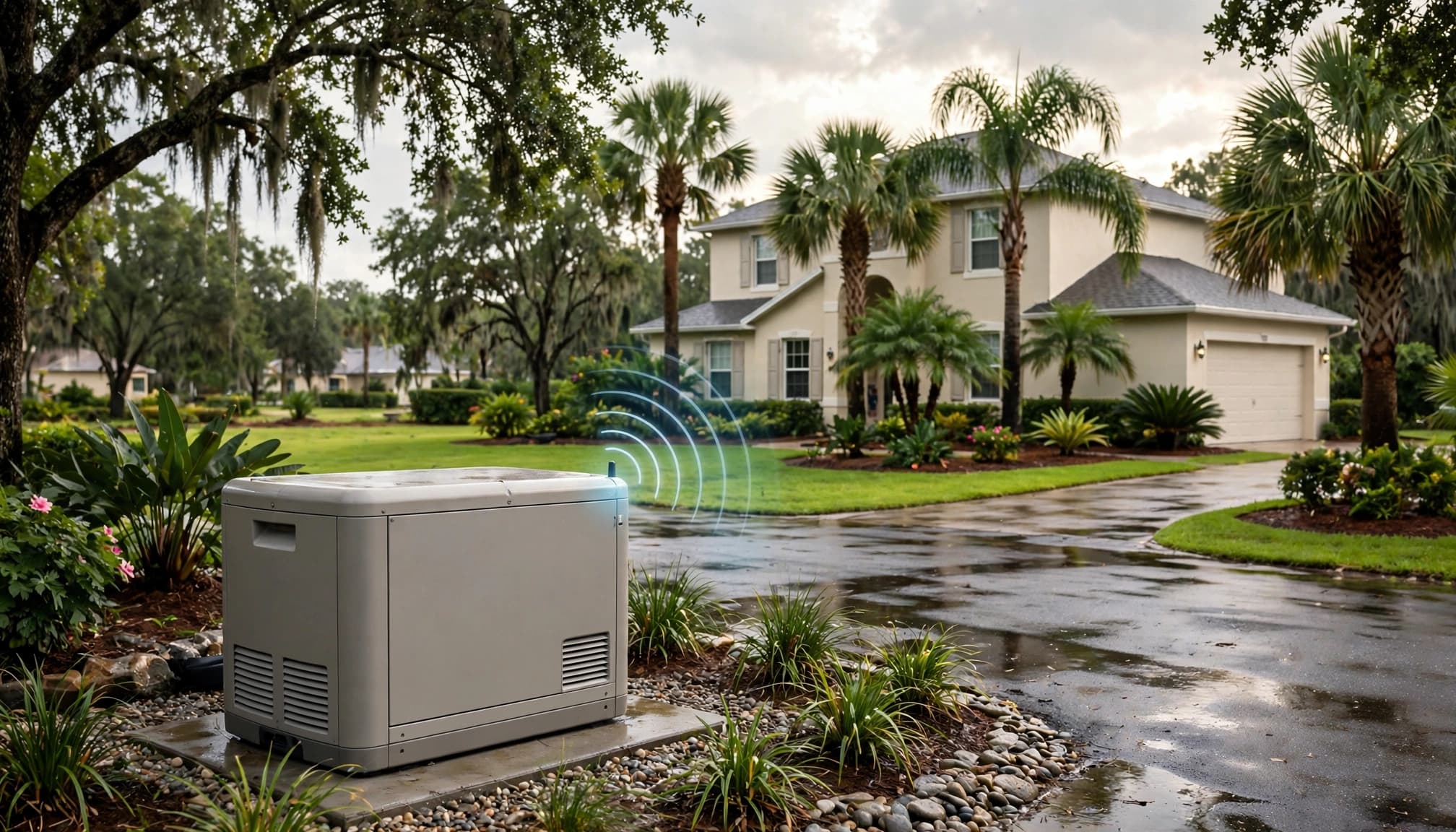
Generator monitoring gives you a clearer view of equipment that usually operates out of sight. With remote generator monitoring for Southwest Florida homes, you can see whether the unit reports normal status instead of waiting for the next utility outage to find a problem.
That visibility helps protect essentials such as refrigeration, air conditioning, sump pumps, security systems, and medical equipment. It also reduces the need to walk outside in heavy rain just to inspect a generator.
Catch Small Problems Before They Cause an Outage
Automatic alerts may identify low battery voltage, a missed exercise cycle, low coolant, fuel concerns, communication failures, or active fault codes. A failed start notification, for example, gives you time to schedule service before the generator is needed.
Early action can prevent an after-hours emergency repair and reduce the chance of a long outage at home. Monitoring doesn’t diagnose every mechanical problem, but it gives technicians useful clues before they arrive.
Know the Generator Is Ready When Severe Weather Hits
Before a hurricane or tropical storm, remote access can show recent exercise activity, current operating status, battery condition, and any stored alarms. You can check those details from work, while traveling, or from inside the house.
For Southwest Florida homeowners, that reassurance matters when an outage may last longer than a brief afternoon storm. Pairing status checks with a whole-house generator hurricane preparation guide helps you prepare the generator, fuel supply, and household before weather worsens.
A normal status screen is useful, but an unresolved alert deserves attention before storm season arrives.
How Remote Generator Monitoring Works and What It Tracks
A monitoring system starts with sensors and the generator controller. Those components collect operating information, then a monitoring device sends it through Wi-Fi or a cellular network to software that you, a service provider, or both can access.
Features vary by generator model and monitoring plan. However, common readings include run status, battery voltage, engine temperature, oil pressure, fuel level when supported, exercise schedules, runtime, maintenance reminders, and fault codes.
Sensors, Connections, and Status Updates
The generator sends updates at intervals set by its equipment and monitoring service. If the system detects an alarm or an unexpected shutdown, it can send a faster notification.
Connection quality matters. Wi-Fi may work well when the generator is near a stable home network, while cellular monitoring may suit properties where Wi-Fi coverage is weak. Ask how the system reports a lost connection, because an offline monitor can’t deliver alerts.
Alerts, Mobile Access, and Service Records
Depending on the plan, alerts may arrive by text message, email, mobile app, or online dashboard. Remote access also preserves a history of exercise cycles, runtime, alarms, and past service.
That record can help technicians spot repeated faults and review what happened before a service call. Generator remote monitoring systems can differ widely, so verify which alerts, users, and history features are included before enrolling.
Choosing a Monitoring Plan That Fits the Home
The right plan matches your generator, household needs, and local support options. SWFL Generator can help homeowners compare system compatibility, installation requirements, maintenance needs, and available monitoring features.
Start with a few practical questions:
- Does the system work with your existing generator and its controller?
- Will Wi-Fi reach the generator reliably, or is cellular service a better fit?
- Are subscription fees, installation costs, and professional response included?
- Can you choose who receives alerts and review the provider’s data privacy policy?
- Would remote alerts help protect a seasonal home, sump pump, medical equipment, or an older adult living alone?
Questions to Ask About Professional Support
Some plans only notify the homeowner. Others may give a local technician access to alerts and service records. Ask who responds after an alarm, whether that response has an added cost, and what happens after business hours.
We recommend choosing a provider that can service the equipment as well as monitor it. A local team can review fault information, inspect the unit, and address the underlying issue.
Monitoring Is Helpful, but It Does Not Replace Maintenance
Monitoring reports conditions. Maintenance keeps the generator ready to operate. Follow the owner’s manual and schedule oil and filter changes, battery testing, fuel checks, inspections, and load testing when appropriate.
After a major storm, have the generator checked if it ran for extended periods or shows an alert. Scheduled generator maintenance plans can also include startup checks and broader inspections. Test the monitoring connection regularly, too, so alerts reach the right person.
Frequently Asked Questions
Can generator monitoring work with an older standby generator?
It may, but compatibility depends on the generator controller and available add-on equipment. A qualified technician can confirm whether an upgrade supports remote status checks and alerts.
Will monitoring work if the home loses internet service?
Wi-Fi-based systems may lose communication when the router or internet service fails. Cellular systems can avoid that issue, although local cellular coverage and the monitoring device still matter.
Who should receive generator alerts?
At minimum, the homeowner should receive critical alerts. Seasonal homeowners may also want a trusted family member, property manager, or service provider included.
Can an alert identify the exact repair needed?
An alert can point to a fault code or condition, such as low battery voltage or high temperature. A technician still needs to inspect the generator before confirming the repair.
How often should monitoring alerts be tested?
Test alerts after installation and whenever you change phone numbers, email addresses, or account settings. It also makes sense to check them before hurricane season and after network equipment changes.
Keep Backup Power Ready
Generator monitoring gives you earlier warnings, clearer operating information, and more confidence before and during an outage. Still, the strongest protection combines remote monitoring with scheduled maintenance, storm preparation, and help from a qualified local provider such as SWFL Generator.
Check your generator’s current monitoring capability, then ask a professional whether an upgrade or service visit makes sense for your home.