



Whole Home Surge Protector Installation: What to Expect
A nearby lightning strike or utility power event can damage appliances and electronics throughout your home. Whole home surge protector installation adds protection at the electrical panel to help divert excess surge energy.
That makes it a useful layer of protection, but it doesn’t promise damage-free equipment after every electrical event. For homeowners comparing options, the practical priorities are professional installation, a clear written price, and an understandable proposal. Start with what the equipment does before deciding what an installation should include.
Key Takeaways
- A panel-mounted surge protective device helps divert excess surge energy away from household wiring and connected equipment.
- Whole-home protection reduces exposure to damaging voltage spikes without guaranteeing that equipment will never suffer damage.
- Choose professional installation and compare written proposals for the same project.
- Keep the device information and installation records with your home’s electrical documents.
What Whole Home Surge Protector Installation Does
SWFL Generator describes whole-home surge protection as protection installed at the main electrical panel. Its purpose is to help divert excess surge energy away from the home’s electrical system.
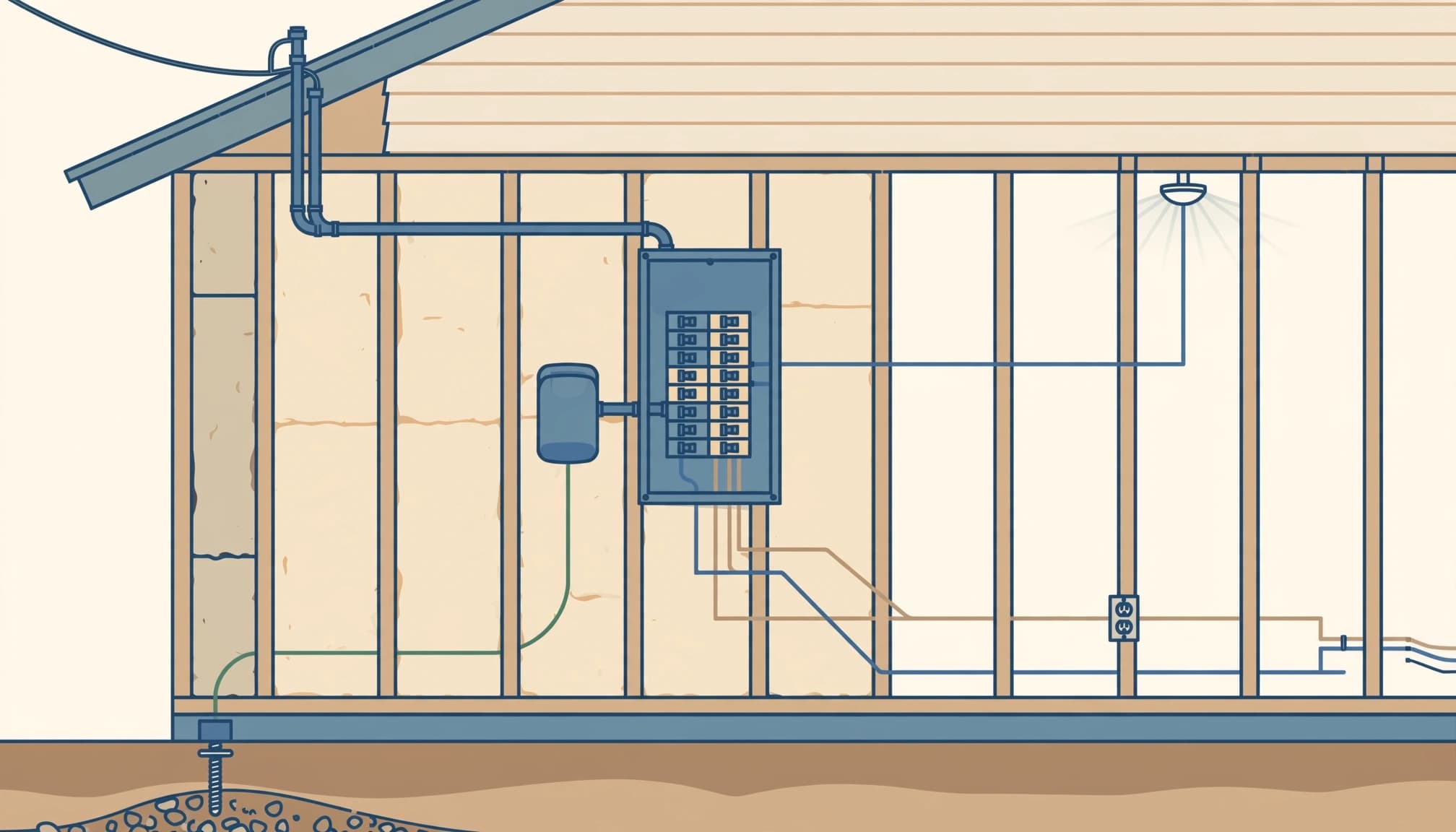
How a panel-mounted surge protector works
A surge protective device, often shortened to SPD, provides a path for excess surge energy to ground. This helps reduce the surge energy reaching household wiring and connected equipment.
The panel location gives it a broader role than protecting one appliance. However, the word “whole-home” describes the installation’s scope, rather than a guarantee against every electrical problem.
ESFI’s overview of home surge protective devices identifies the 2020 National Electrical Code as introducing surge protection requirements for homes.
Type 1 devices address internal and external surges
ESFI’s description of Type 1 surge protective devices identifies them as permanently connected equipment that protects against external and internal surges. That distinction matters because surge exposure isn’t limited to events outside the house.
Homes with generators also deserve attention. SWFL Generator’s guidance on surge protection for sensitive electronics explains that stable generator frequency doesn’t eliminate surge exposure. Backup power and surge protection address different electrical concerns.
How a Licensed Electrician Installs a Whole Home Surge Protector
A panel-mounted SPD belongs in a professional electrical installation, rather than a homeowner wiring project. A qualified, licensed electrician handles the electrical work needed to connect the device to the home’s system.
Your role is to understand the proposed work and retain a useful record of what was installed.
Set clear expectations before work begins
The written proposal should identify the surge protective device and describe the planned installation in ordinary language. You should be able to distinguish the equipment being supplied from the work being performed.
For example, a proposal that names the device and identifies its intended panel location communicates more than “add surge protection.” Clear wording also helps keep the conversation focused on your home instead of broad sales claims.
If other electrical work appears in the proposal, its purpose should be clear. That makes the overall project easier to understand before you approve it.
Keep useful records after installation
Keep the completed invoice, device identification, and manufacturer-provided documentation together. These records give a future electrician a starting point when discussing the home’s surge protection.
A short description of the work is also useful when you sell the home or arrange later electrical improvements. It gives the next person concrete information instead of relying on someone’s memory.
Also, keep surge protection documents alongside other electrical records. A homeowner shouldn’t have to search through unrelated receipts to identify equipment connected to the main panel.
What Installation Costs and How to Choose an Installer
Compare whole home surge protector installation using written, property-specific proposals. A low advertised price provides little useful information when it doesn’t describe the project attached to it.
For Southwest Florida homeowners, SWFL Generator is a local resource to contact for guidance or a quote. Keep the discussion centered on the proposed work for your property.
Compare proposals for the same project
Put the complete written proposals side by side before making a decision. The comparison is most useful when each describes the same intended outcome and clearly identifies the equipment.
If one proposal includes additional electrical work, it isn’t directly comparable to a proposal covering surge protection alone. Treat that difference as part of the decision rather than assuming the higher total reflects more expensive installation.
Choose among licensed electricians based on the clarity of their proposals and their ability to explain the work. Price alone doesn’t tell you whether two offers cover the same project.
Keep protection claims in proportion
The benefits of whole-home surge protection center on reducing exposure to damaging electrical surges. That is a practical reason to consider it for a home filled with connected appliances and electronics.
However, a statement such as “everything is fully protected” promises more than the equipment’s documented role. Favor explanations that describe diverting excess surge energy without promising an outcome for every possible event.
This distinction also helps when evaluating a sales proposal. Clear descriptions of the equipment and its purpose are more useful than broad assurances about total household protection.
Make the Decision With a Clear Proposal
Professional assessment and installation give whole-home surge protection a practical place in your home’s electrical planning. The strongest starting point is a clear description of the equipment and the work proposed.
Arrange an electrical assessment with a licensed electrician, then compare written quotes for the same project. Keep the installation documents with your household records.
The goal is reduced surge exposure backed by understandable information, without treating any protective device as a promise that electrical damage can never happen.
