


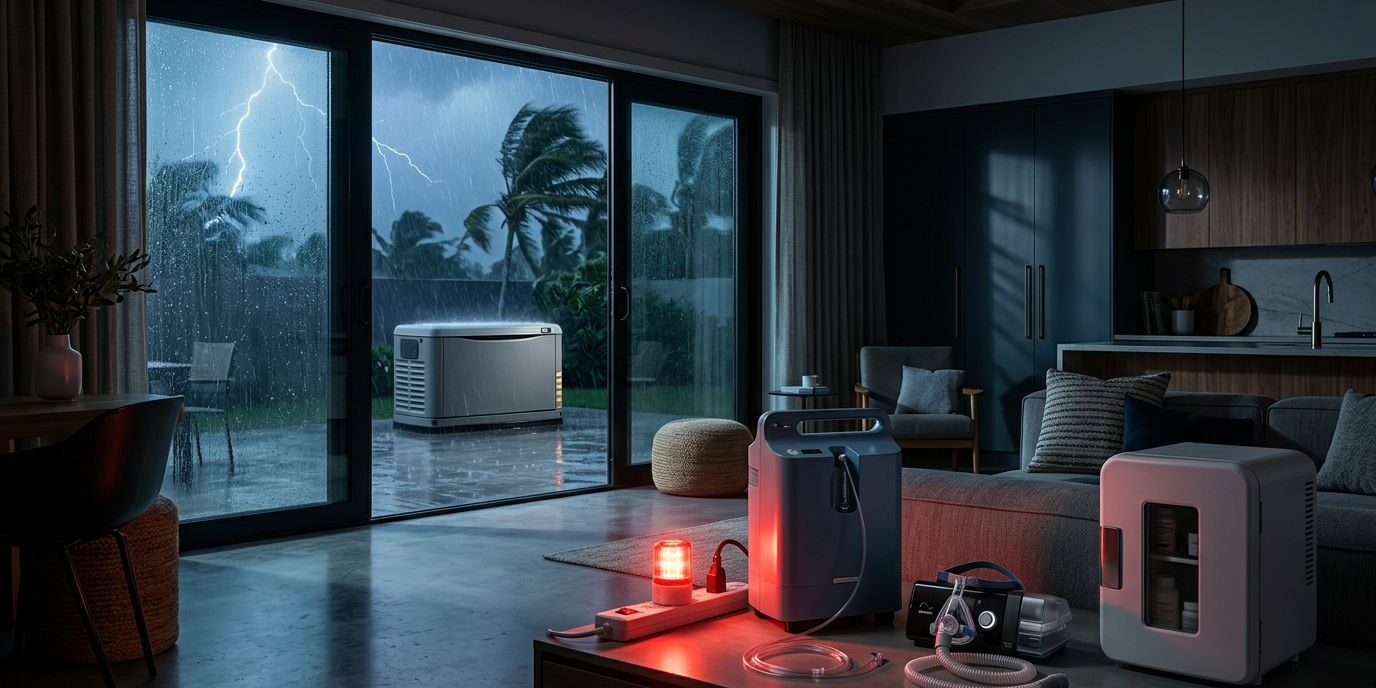
When a power outage stops an oxygen concentrator, CPAP machine, medication refrigerator, or home dialysis system, the problem is more serious than lost lights. In Southwest Florida, hurricanes and storm damage can leave homes without electricity for hours or days, creating a dangerous environment for those who rely on specialized care at home.
A home standby generator provides automatic backup power through a transfer switch, helping vital medical equipment keep running when utility service fails. However, proper sizing, installation, fuel planning, and maintenance all matter. We need to treat medical backup power as a complete system, not just a unit sitting beside the house, to ensure your oxygen concentrator or CPAP machine remains functional throughout any emergency.
Key Takeaways
- A home standby generator can restore power automatically within seconds of a power outage.
- When planning your electrical capacity, medical equipment must be included in the total wattage requirements for both running and starting loads.
- Because a generator may have a brief transition time, a battery backup system is a recommended secondary backup power solution for critical devices.
- Professional installation protects your property against unsafe placement, poor fuel flow, and hazardous electrical problems.
- Routine service ensures your system remains reliable and ready to perform before the next Southwest Florida storm.
Automatic Backup Power Helps Keep Medical Devices Running
A whole-house generator constantly monitors the utility power entering your home. When the electrical service drops, the automatic transfer switch detects the outage, triggers the generator, and shifts the home’s electrical load to the generator once the output stabilizes.
This entire process typically takes mere seconds. While most household appliances handle a short transfer period without issue, residents relying on respiratory equipment or other life-sustaining medical devices require more careful planning.
Some medical devices feature internal batteries, while others should be paired with an uninterruptible power supply (UPS) or a portable battery power station to bridge the gap during the initial generator startup. For highly sensitive electronics, some homeowners opt for an inverter generator, which provides a clean sine wave output to ensure delicate circuitry remains protected. We never advise homeowners to assume a generator alone will safeguard every piece of critical gear. The equipment manufacturer, your medical provider, and a licensed electrician should collaborate to determine the safest backup arrangement for your specific needs.
An uninterruptible power supply can bridge the short duration while the generator engages. These units also provide temporary power if the generator requires maintenance or the fuel supply is interrupted. Many utility programs highlight how portable backup solutions support devices such as nebulizers, ventilators, oxygen concentrators, and motorized wheelchair chargers.
Operating a portable generator requires someone to move it into position, connect medical equipment, monitor the electrical load, and refuel it regularly. This becomes a significant challenge during severe weather, particularly when a family member depends on continuous medical support.
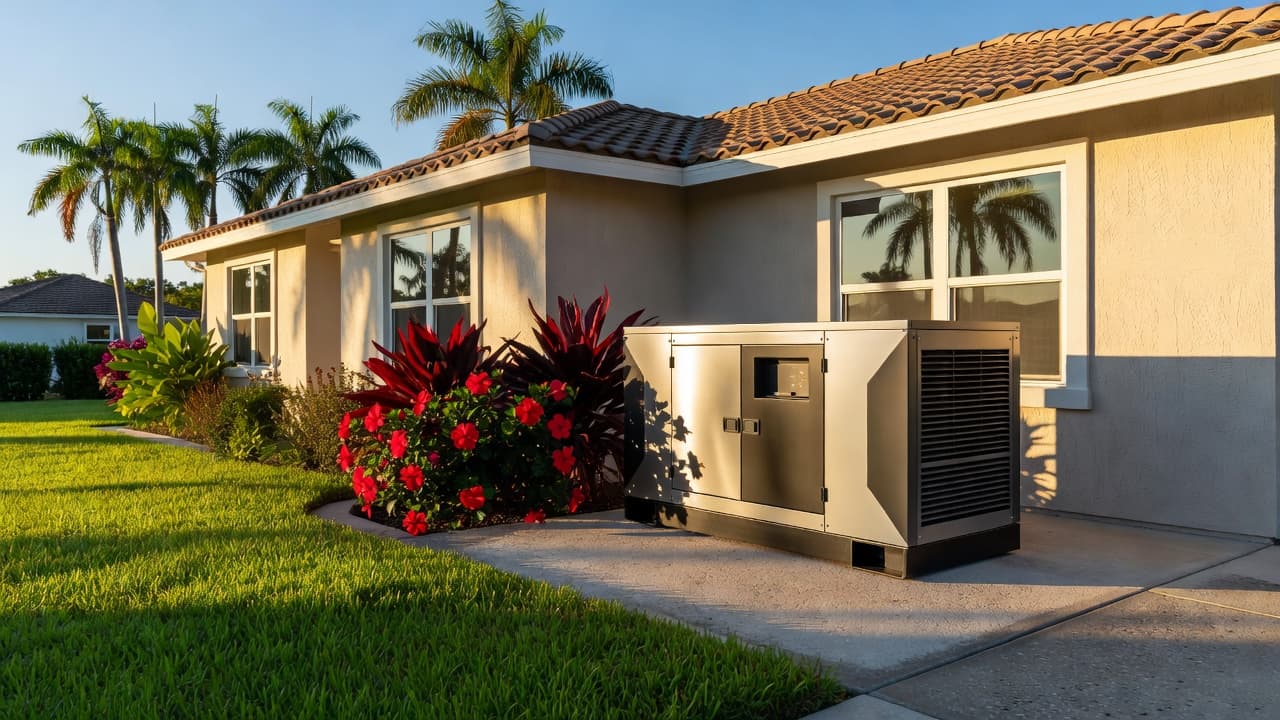
In contrast, a permanently installed standby generator handles the transfer switch operation automatically. It connects directly to a fixed fuel source and remains ready outside your home at all times. This setup eliminates the manual steps associated with a portable generator, which is a vital advantage when your household is already managing the stress of power loss, wind damage, or limited mobility.
Generator Sizing Must Include Medical Equipment
A generator designed only for standard household items like a refrigerator and a few lights may lack the capacity to handle medical devices, air conditioning, water pumps, and other high-demand loads simultaneously. It is essential to calculate the total power demand for your entire electrical panel before selecting a system.
Medical equipment often requires medical-grade power characterized by a pure sine wave to protect sensitive electronics from damage or malfunction. The following figures provide a baseline for your planning, but you should always verify the nameplate rating and manufacturer instructions for your specific devices to ensure accurate calculations.
| Medical device or household load | Wattage requirements |
|---|---|
| CPAP machine or BiPAP machine | 30 to 60 watts |
| Medication refrigerator | About 150 watts |
| Oxygen concentrator | About 500 to 750 watts |
| Home dialysis equipment | Around 1,500 watts |
| Central air conditioning | Varies by system and startup demand |
Your generator must support the combined running load while providing enough capacity for the significant startup surges typical of air conditioners, pumps, and refrigerators. While an oxygen concentrator may operate for extended periods, other motors like HVAC compressors create brief but intense spikes in demand.
A 22-kilowatt unit may suit many homes between 2,000 and 3,000 square feet that require backup for medical equipment and major household loads, but it is not a universal solution. Factors such as home size, HVAC type, well equipment, pool systems, and the total number of connected devices will dictate the final requirement.
We recommend calculating generator size for medical needs before ordering your equipment. A professional load calculation helps determine if your generator should power the entire electrical panel or be configured for selected essential circuits.
Power quality is equally important. Sensitive medical equipment can be negatively impacted by voltage fluctuations, frequency instability, or electrical surges. A qualified installer must review the generator’s voltage regulation, output specifications, transfer switch, and grounding to ensure full compatibility with your medical devices.
Installing a whole-home surge protector provides an additional layer of safety. While it helps mitigate damage from lightning, utility switching, and storm-related surges, it should be viewed as a supplement rather than a replacement for your generator, transfer switch, or dedicated battery backup systems.
A generator protects medical equipment best when the equipment, load calculation, transfer switch, and backup battery plan are designed together.
Fuel and Installation Choices Matter During Florida Storms
Most standby generators in Southwest Florida use utility natural gas or liquid propane. For those opting for portable units, dual-fuel or tri-fuel capabilities can provide added flexibility. Each fuel source presents practical advantages and limitations for medical backup power.
Natural gas can support extended runtime when the utility connection remains stable. However, the gas meter and service line must handle the generator alongside the home water heater, range, pool heater, and other appliances. If the combined demand exceeds the meter capacity, the utility may need to provide an upgrade.
Propane provides homeowners with stored fuel on the property, which is vital when natural gas service is unavailable. The tank size directly determines the total runtime the generator can achieve. During a major storm, fuel deliveries may be delayed by flooding, debris, or damaged roads, so your fuel strategy should account for longer outages.
Generator placement is a critical safety factor. Exhaust must stay far away from doors, windows, vents, and other openings to prevent carbon monoxide poisoning. Because of the risk of carbon monoxide, generators are never for indoor use and should never operate inside a garage, lanai, shed, or any other enclosed space. Local codes and manufacturer instructions dictate exact clearance, often requiring a distance of at least 20 feet from openings.
Southwest Florida properties require careful attention to flood zones, drainage, salt air, and pad elevation. A concrete pad that appears level may be unsuitable if flood conditions or local requirements necessitate a higher elevation. Additionally, leaves, mulch, pool equipment, and fences can interfere with essential airflow and service access.
Proper electrical connection is vital. While a transfer switch is the standard for home standby units to ensure a safe transition to backup power, some manual configurations may utilize an interlock kit. Permits are also a required part of the safety process. Depending on the project, electrical, gas, mechanical, building, or zoning approvals may apply. Inspectors review wiring, transfer equipment, fuel lines, clearances, grounding, and the final installation.
We recommend professional home generator installation so the electrician, gas provider, installer, utility company, and inspector work from the same plan. In Lee County, permit files that remain inactive for too long may expire, often around 180 days. Local rules change frequently, so homeowners should confirm current requirements with the local permitting office to ensure their medical equipment remains protected.
Medical Backup Power Requires Maintenance and a Storm Plan
An emergency power system may look perfect from the outside and still fail to start because of a weak battery, low oil, blocked airflow, fuel pressure trouble, or corroded wiring. Medical equipment leaves little room for discovering those problems during a power outage.
Most manufacturers call for an oil change at least once a year, even when the generator runs very few hours. Heavy use may require service after 100 to 200 operating hours. Air filters, spark plugs, batteries, coolant, fuel lines, and electrical connections also need inspection at intervals listed for the specific model.
Coastal air adds another concern. Salt buildup, humidity, leaves, and insects can affect the enclosure and internal components. We recommend regular visual checks, annual professional service, and a test run before hurricane season. The weekly exercise cycle should also be active and scheduled at a reasonable hour.
A practical medical power plan should include:
- A list of every piece of medical equipment that needs electricity, including chargers and medication refrigerators.
- Manufacturer-approved batteries, an uninterruptible power supply, or solar rechargeable battery stations to provide a secondary layer for your backup power solution.
- Extra approved supplies, tubing, batteries, and medications based on medical guidance.
- Contact information for the equipment provider, healthcare team, utility company, and generator service company.
- A safe relocation plan if the home becomes unsafe because of flooding, heat, or storm damage.
The medical device power outage checklist can help families organize battery supplies and device information before a power outage. We also recommend testing the equipment with its backup power plan and calculating the necessary runtime before severe weather arrives. If you are looking to supplement your system, integrating solar panels can add another layer of security to your plan.
A generator should never be restarted after floodwater reaches the unit. Shut off the system and arrange a professional inspection. Water damage can affect wiring, controls, fuel components, and engine parts even when the enclosure looks intact.
For homeowners planning new backup power, a Get a Free Consultation can help identify the required generator capacity, fuel needs, transfer switch, placement, and maintenance schedule before installation begins.
Frequently Asked Questions
Can a generator provide enough power for all my medical devices simultaneously?
Yes, provided that you have calculated the total wattage for your specific equipment, including startup surges for motors like air conditioners. It is essential to work with a professional to ensure your generator is sized correctly to handle all medical-grade loads alongside your essential household appliances.
Why do I need a battery backup if I have a standby generator?
While a standby generator restores power quickly, there is often a brief transition time of several seconds during the transfer process. An uninterruptible power supply (UPS) or internal battery backup bridges this short gap, ensuring your sensitive respiratory or life-support devices do not lose power for even a moment.
How often does my medical backup generator need professional service?
Regular maintenance is critical, typically requiring a professional inspection at least once a year. In coastal environments like Southwest Florida, salt air and humidity can accelerate wear, so you should check the system frequently and ensure it is serviced immediately following any major storm or extended period of heavy use.
Conclusion
A home standby generator serves as the most reliable backup power solution for safeguarding critical medical equipment. By providing an automatic response to grid failures, these systems ensure that an oxygen concentrator, a CPAP machine, and other life-sustaining devices remain functional without interruption. When selecting your system, focus on two critical technical factors for long-term safety: sufficient runtime and clean sine wave output, as both are essential for protecting sensitive electronic medical components.
The highest level of security comes from a comprehensive approach. Proper sizing, professional installation, and routine maintenance work in tandem to ensure your system is ready when you need it most. By integrating a reliable generator into your home safety plan, you gain peace of mind knowing that your medical equipment will have the dependable power required, even during the most challenging Florida storms.