


When the power drops in the middle of a summer storm, nobody wants a science project in the driveway. I always tell homeowners the same thing, as a reliable standby generator should feel like part of the house, rather than a temporary backup plan held together with extension cords.
That is why a whole house generator installation is more involved than simply setting a unit on a pad and plugging it in. Providing consistent backup power in Southwest Florida requires careful planning, permits, fuel setup, and thorough testing that should be completed long before storm season ever arrives.
Key Takeaways
- Planning over plugging in: A professional whole house generator installation is a complex project that requires a site assessment, proper load calculations, and strategic placement to ensure safety and code compliance.
- Regulatory and logistical hurdles: Obtaining permits, coordinating utility and fuel service, and navigating HOA requirements often take longer than the actual physical installation, so plan ahead.
- Seamless automation: Unlike portable units, standby generators are hard-wired with an automatic transfer switch, providing hands-off power restoration during outages.
- Testing is essential: Professional installation must conclude with full system testing and a comprehensive homeowner handoff to ensure the unit functions reliably when an emergency strikes.
- Long-term maintenance matters: Once installed, your generator requires routine professional maintenance, such as oil changes and filter replacements, to guarantee it remains ready for years to come.
It starts with a site visit, not with a generator
The first thing I want people to know is simple: install day is not the first day of the job. A good installation starts with a site assessment. That visit answers the questions that matter, like where the generator can go, what size the home needs, how the fuel source will reach it, and what kind of electrical work is hiding behind the panel cover.
Some homeowners assume whole house means every single circuit runs at once. Sometimes it does, and sometimes it does not. A proper load calculation decides that. I like to look at the home the way the next outage will look. When we determine your wattage needs, we account for both running watts and surge wattage to ensure high-draw items like AC systems, well pumps, and medical equipment operate reliably. Refrigerator, lights, internet, and one AC zone may be enough for one home and nowhere close for another.
If you are early in the process, it is worth reading about generator sizing before you choose a unit by gut feel alone.
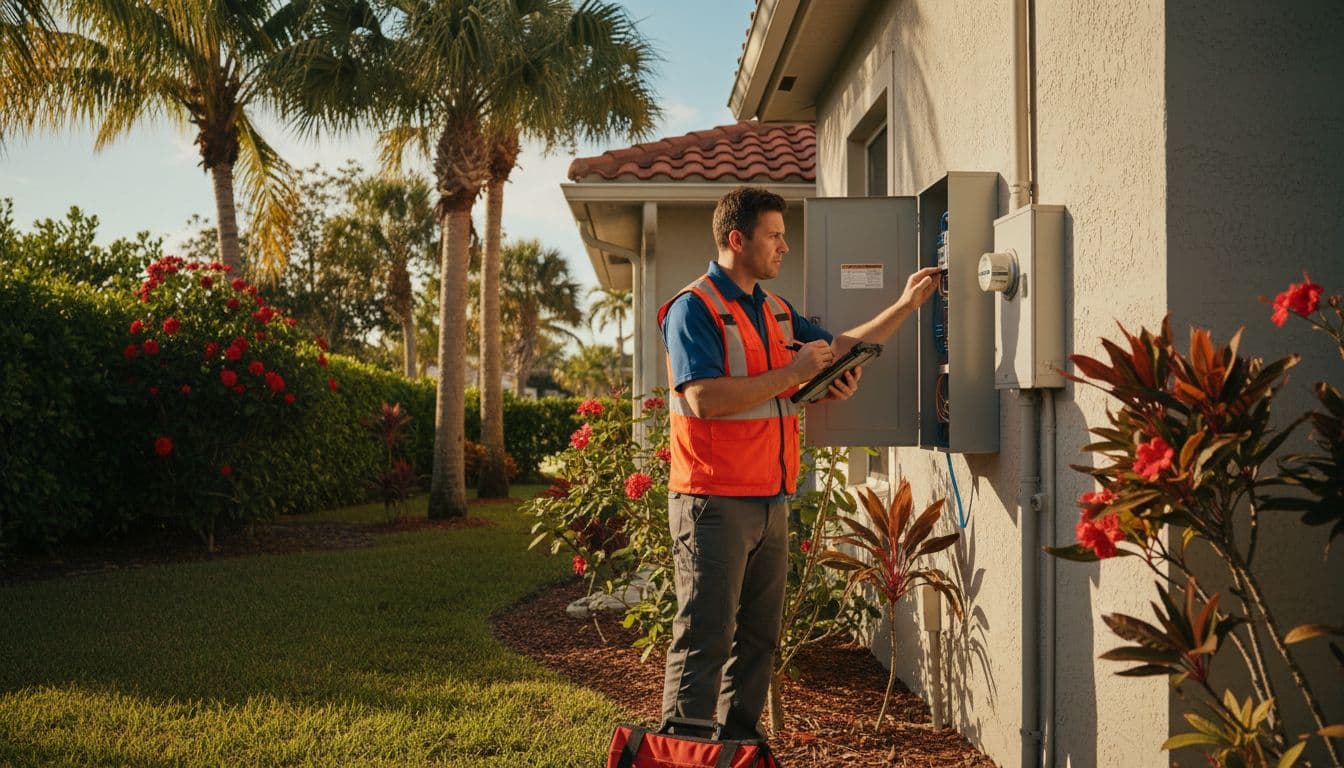
Generator placement matters, too. The unit needs proper clearance from property lines, walkways, and ignition sources. Crucially, it must be kept away from doors, windows, and air intakes to prevent the accumulation of carbon monoxide, which is a major safety priority. It also needs room for service access later. In Southwest Florida, flood exposure, drainage, and storm debris are part of the conversation. Nobody wants a unit tucked into a corner that looks neat on day one and turns into a service headache later.
This is also where whole-house systems separate themselves from portable generators. A portable unit can keep a few items alive, but it still needs manual setup, fuel refills, and safe cord routing. A home standby generator is hard-wired, tied into a transfer switch, and built to start on its own. That is the point of a standby generator; it provides seamless, automated protection for your family when the grid fails.
Permits, placement, and coordination usually take longer than the install
Here is the part that surprises most homeowners: the unit itself may go in quickly, but securing the necessary permits and managing the logistics often takes longer than the physical labor. If a company is doing the job right, it never skips this essential stage.
Most projects require local permits for electrical work, fuel piping, and equipment placement. Depending on your property, there may also be HOA rules, setback requirements, or utility sign-offs to navigate. If your home uses propane, the tank location and fuel lines must align with the site plan. If you are utilizing natural gas, the existing meter and pressure capacity must be evaluated before installing a natural gas line to the unit.
I always tell people not to underestimate these moving parts. One crew often handles the concrete pad and equipment setting, while a licensed electrician manages the critical work of integrating your electrical panel and installing the transfer switch. After the standby generator is connected, the entire job still requires a formal inspection before it is officially wrapped up.
If you want a clearer picture of the local rules, this guide on generator installation permit requirements is a solid place to start.
The biggest delay in many projects is not the box in the yard. It is waiting for permits, inspections, or utility scheduling.
I have seen homeowners feel relieved once they understand this process. The timeline stops feeling random, and it starts making sense. In reviews, one theme comes up again and again: the jobs people remember most fondly are the ones where the installer coordinated the gas company, the electrician, and the inspection process without turning the homeowner into the project manager.
That is what you should expect. Clear communication, real scheduling updates, and no guesswork.
What happens on the actual installation day
Installation day is usually busy, but it should not feel chaotic. By that point, the layout, permits, and equipment plan should already be nailed down.
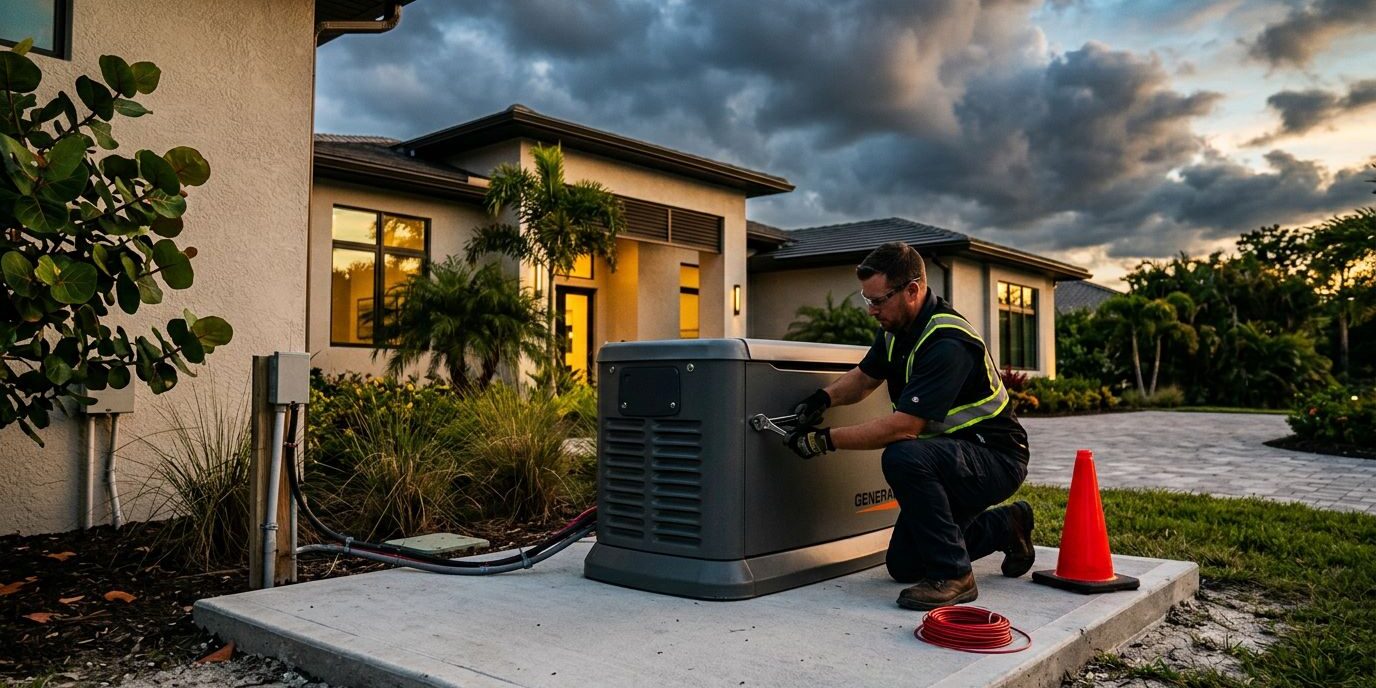
The crew may start by preparing or confirming the pad location. Some homes use a concrete pad, while others use a pre-cast base approved for the equipment. The whole home generator is then set in place, usually with help from a lift or small piece of equipment because these units are heavy. They are not something two people casually slide into place.
From there, the electrical and fuel connections come together. The automatic transfer switch is mounted and wired so the house can shift from utility power to generator power when an outage hits. The fuel line is connected and pressure-tested. Conduit runs are finished, and bonding and grounding are checked. If the panel needs upgrades or cleanup to support the system, that work may happen now too.
You should also expect some interruption. Power may need to be shut off for part of the day while the electrical tie-in happens. There will be tools, movement, and some noise. Still, a professional installation crew keeps the site organized and cleans up when the work is done. Homeowners notice that, and they remember when the job was tidy, on time, and not left half-finished.
If you are comparing providers, take a look at professional standby generator installation to see what a full-service approach should include.
One other thing people ask about is sound. An automatic backup generator is usually much quieter than a portable generator because it sits inside a weather-resistant enclosure built to reduce noise. You will hear it run, of course, but it should not sound like a construction site every time the power flickers.
Startup, testing, and the handoff matter as much as the hardware
A generator isn’t done just because it is bolted down and wired up. It needs to be tested. I put a lot of weight on this stage because this is where the system proves it can do the job.
After the final connections are complete, the installer should run startup checks, verify fuel flow, and test the automatic transfer sequence. That often means simulating a power outage so the generator starts, picks up the load, and then transfers power back correctly when utility service returns. If something is not right, this is the time to catch it, rather than waiting until the first hurricane warning.
The handoff should be simple and practical. You should know how your home standby generator exercises itself, what the status lights mean, what alerts look like, and when to call for service. Many modern systems include app-based monitoring, which gives homeowners more peace of mind because they can see weekly test runs and receive basic notifications. That feature matters more than people think. When your standby generator tests itself on schedule, you stop wondering whether it will wake up when you need it.
I have seen that confidence show up in homeowner feedback after big storms. The people who had tested, connected systems were not out hunting for gasoline, as their backup power provided reliability when it mattered most.
If you are still weighing options or timelines, you can Get a Free Consultation and talk through the setup before storm season gets crowded.
What can delay the project, and what happens after it’s installed
Even a well-planned job can hit a speed bump. Weather can slow site work, and permit offices can experience backlogs. Infrastructure requirements like gas meter or electric meter upgrades can also take time, while propane tank scheduling may shift. Sometimes, an older electrical panel needs more work than expected. None of these issues mean the job is off the rails, but it does mean you deserve honest, proactive updates.
I like to remind homeowners that a completed installation and a system ready for the next five years are not the same thing. Reliable standby generators need regular maintenance to ensure long-term dependability. Oil, filters, battery condition, software alerts, exercise cycles, and general inspections all matter. A unit that sits quietly outside still requires professional attention to stay ready for an emergency.
This is also where choosing an authorized dealer for long-term support makes a significant difference. Quick response times, clean service visits, and technicians who can diagnose problems without turning repairs into a guessing game ensure your system stays in top shape. Homeowners remember these details. Many do not write reviews until a company solves a problem fast or the generator performs exactly right during an outage. That is not flashy, but it is what counts.
The easiest way to keep the project smooth is to ask a few plain questions early. Who handles permits? Who coordinates fuel work? Will the crew walk me through the app and maintenance schedule? You should also ask about total installation costs and available financing options, as well as what kind of support is available after the install. Getting good answers now will save you plenty of frustration later.
Frequently Asked Questions
How does a whole house generator differ from a portable generator?
A whole house standby generator is permanently installed, hard-wired to your electrical panel, and activates automatically when power is lost. Portable generators require manual setup, extension cords, and manual refueling, making them significantly less convenient and reliable during severe weather.
Why does the installation process take longer than just setting the unit down?
Installation involves critical behind-the-scenes work, including obtaining building permits, performing load calculations, and coordinating with fuel suppliers or utility companies. Proper integration with your existing electrical system is a technical process that requires safety inspections to ensure everything is code-compliant.
Can I run every appliance in my home at the same time?
Whether you can power your entire home depends on the size of the generator and your home’s total electrical load. A professional installer will perform a load calculation to determine your specific wattage needs, ensuring essential items like AC units and medical equipment run reliably during an outage.
How much noise should I expect from my generator?
Standby generators are significantly quieter than portable units because they are housed in weather-resistant, sound-dampening enclosures. While you will hear it running during an exercise cycle or an outage, it is designed to operate without being disruptive to your household or neighbors.
Final thoughts
A professional whole house generator installation should never feel mysterious. It is a process of careful planning, coordination, precise electrical and fuel work, and thorough testing before the next storm arrives.
When the power goes out, the best systems are the boring ones. Once your home standby generator starts automatically, the house remains fully functional, and you can enjoy true peace of mind during a power outage without having to give your energy security a second thought.