


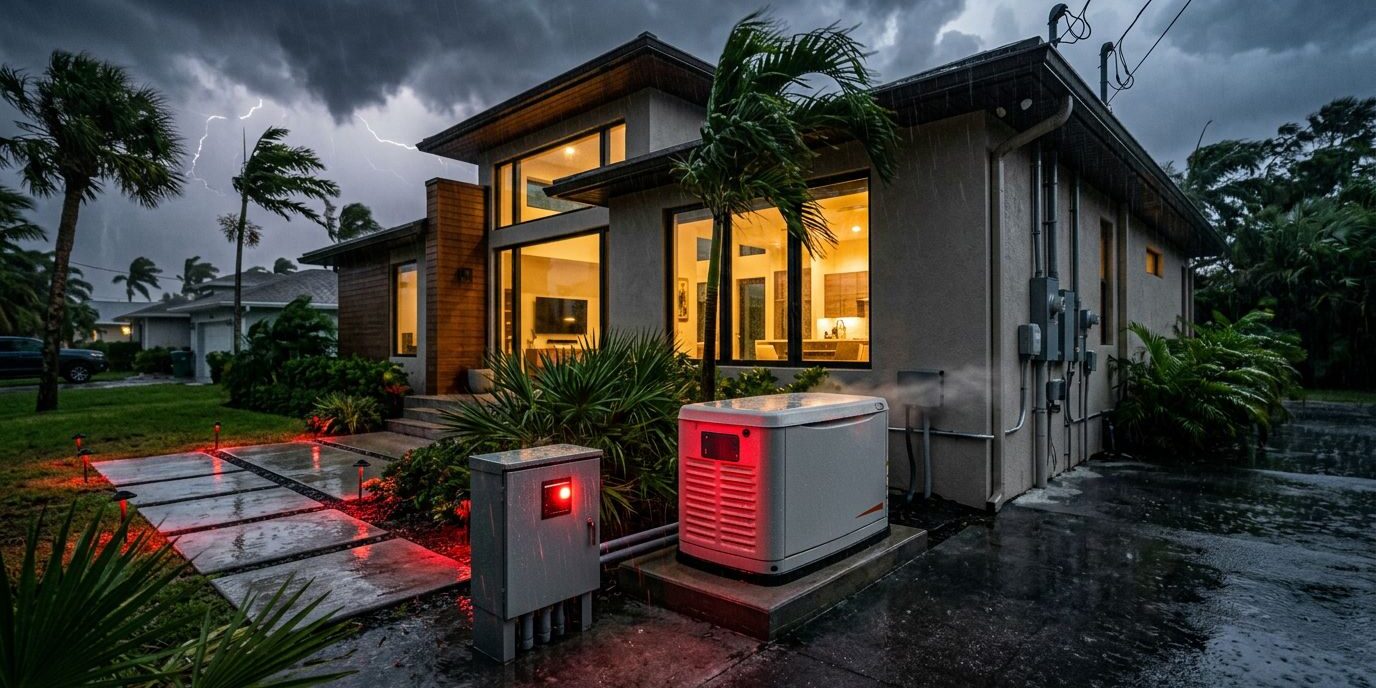
A generator septic pump setup can keep your home’s wastewater system working during a power outage. The answer is yes, but only when the generator has enough capacity for the pump’s starting surge and the pump is connected correctly through the transfer switch.
This matters in Southwest Florida, where hurricanes, heavy rain, and extended outages can interrupt normal electrical service. Maintaining a residential septic system is a critical part of home backup readiness when extreme weather strikes. Proper sizing and professional installation keep the system ready when your home needs it most.
Key Takeaways
- A standby generator can run a septic pump when the pump is included in the electrical load calculation.
- Septic pumps need extra power during startup, requiring high starting watts compared to their normal running wattage.
- The transfer switch must include the septic pump circuit, alarm, and related controls.
- Generator size, fuel supply, placement, and maintenance all affect reliable operation.
- Professional installation helps prevent overloads, unsafe wiring, and drainage problems during an outage.
Generator Septic Pump Sizing Starts With the Motor
The pump’s running watts are only part of the calculation. Electric motors draw a higher amount of power for a short period when they start, and this motor startup surge is also known as starting watts.
A typical septic pump may use about 400 to 900 watts while operating, but the starting demand can reach several times that amount. A published septic system power guide provides similar estimates, although the exact requirement depends on whether you have a standard effluent pump or a heavier sewage ejector pump, along with the specific motor, voltage, horsepower, and installation.
That surge happens at the same time other equipment may be starting. Your air conditioner, refrigerator, well pump, pool pump, and septic pump could all compete for available generator capacity. If the generator cannot handle the combined demand, it may stall, trip a breaker, or fail to start the largest motor.
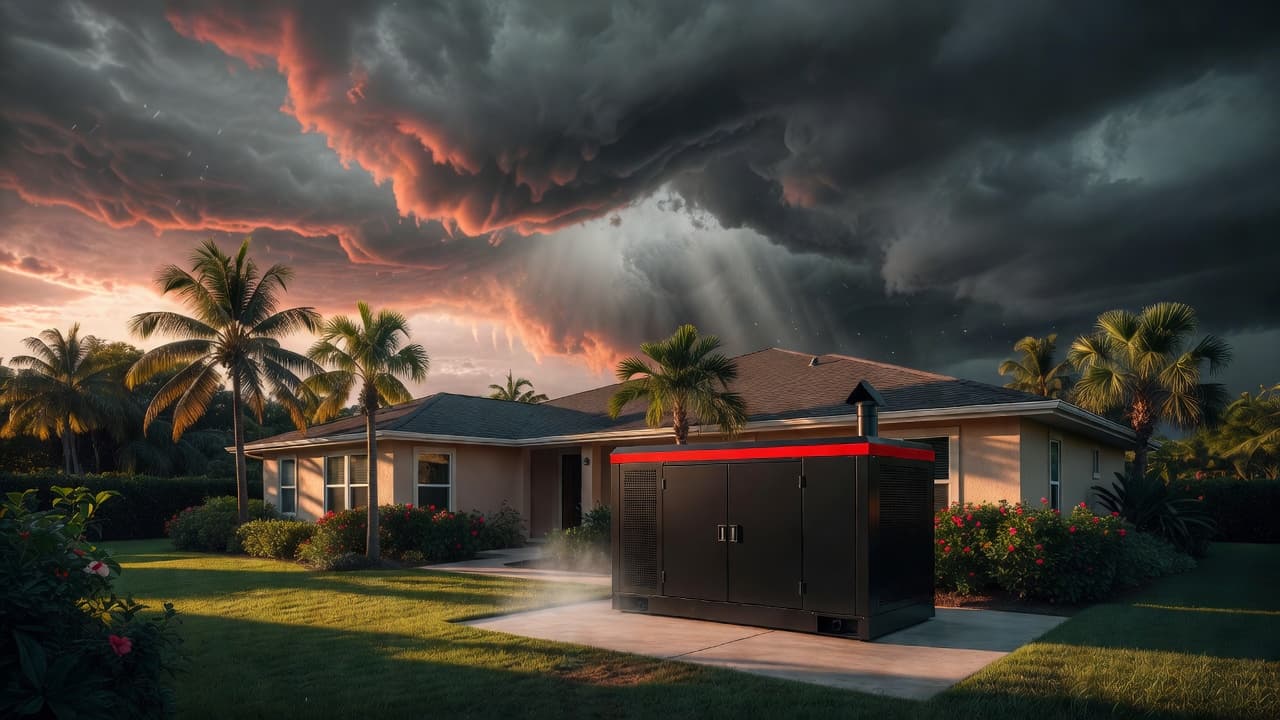
A professional load calculation looks at both running watts and startup watts. We also review the electrical panel, pump circuit, transfer switch, and other major loads before recommending a generator size. Our whole house generator sizing guide explains why motor-driven equipment needs special attention during this process.
The pump nameplate is the best starting point. It may list the voltage requirements, amperage, horsepower, and phase. If the nameplate is missing or difficult to read, a technician can inspect the pump controls and measure the electrical demand.
How the Transfer Switch Connects to the Septic System
A generator does not automatically power every device in your home. The equipment must connect to the backup electrical system through an approved transfer switch.
During an outage, the transfer switch disconnects your home from the utility and sends generator power to the selected circuits. If the septic pump circuit is not included, the generator may run perfectly while the pump remains without electricity.
The system may also include more than the pump motor. Many septic installations have:
- A control panel
- A high-water alarm
- Float switches
- An effluent pump or lift pump
- A separate circuit for controls or monitoring
Each part should be reviewed during installation. A pump that runs without its controls may not operate properly. An alarm without backup power may also fail to warn you about a rising tank level.
We recommend identifying the septic equipment at the beginning of the project. The electrician and generator installer should confirm the breaker location, circuit voltage, wire size, disconnects, and transfer switch connection. Safe electrical wiring running through protective electrical conduit is essential, and this is not a good place for heavy-duty extension cords or improvised setups.
A permanently installed automatic standby generator starts when the utility power fails and transfers power automatically, unlike a portable generator that requires manual setup. That is a major advantage during a storm, especially if you are away from home. However, automatic operation still depends on correct wiring, a healthy starting battery, and a properly maintained pump system.
What Happens if the Generator Is Too Small?
An undersized generator may appear to work during a normal test but fail when several loads start together. Septic pumps are often intermittent, so the problem may not appear until the tank reaches its float level during an outage.
The generator may respond in several ways. It could dip in voltage, shut down on overload, trip a circuit breaker, or allow the pump motor to start and stop repeatedly. Repeated failed starts place stress on both the generator and the pump.
Low voltage is also a concern. A motor that receives unstable or insufficient power can run hot. Over time, that heat may damage the pump windings or shorten the motor’s service life. Sensitive control boards and alarm systems can also be affected by poor power quality.
A larger generator is not always the right answer. The correct solution may include load management, which delays certain large appliances so the septic pump can start safely. For example, the system may prevent an electric water heater or pool pump from starting at the same moment as the septic motor, while still providing enough running watts for essential household devices.
The right setup depends on your home’s total demand. Consider these common loads:
| Equipment | Why it matters | Planning concern |
|---|---|---|
| Septic pump | Uses motor startup power | Check nameplate and surge demand |
| Air conditioner | Often the largest home motor | May need load management |
| Well pump | Creates another startup surge | Include if your home uses a private well |
| Sump pump | Manages water during heavy storms | Account for concurrent startup demands |
| Refrigerator backup | Protects food safety in an outage | Include essential running watts |
A generator sizing decision should account for the equipment you expect to use, not only the pump’s normal wattage. We would rather calculate the demand correctly before installation than troubleshoot an overloaded system during a hurricane.
Fuel Supply and Southwest Florida Installation Concerns
Generator capacity is only useful when the unit has a dependable fuel supply. Natural gas can provide continuous fuel through a utility line, but the gas meter and service line must support the combined demand of the home and generator.
Propane provides stored fuel on the property via a dedicated propane tank. That can be valuable when storm damage affects utility service, but the tank size determines how long the system can operate. Extended outages may also delay fuel deliveries because of flooding, debris, or damaged roads, which is why a versatile dual-fuel generator is often considered.
The septic pump itself usually runs in cycles rather than continuously. Even so, the generator may operate for days while powering air conditioning, refrigeration, and security systems. Homeowners sometimes rely on an efficient inverter generator running in eco mode to conserve fuel during extended post-storm outages when powering lighter loads alongside the home’s essential systems.
Placement is another important part of the project. Generators must stay outside and away from doors, windows, vents, and other openings. They should never operate inside a garage, shed, lanai, or enclosed structure because of carbon monoxide.
Southwest Florida properties also require attention to flood zones, drainage, humidity, salt air, and storm debris. A generator pad may need the correct elevation for the site. The enclosure should have enough room for airflow and service access, with vegetation and stored items kept away from the equipment.
Local permits and inspections may apply to the generator, electrical work, fuel connection, and concrete pad. Professional installers coordinate these details before the unit is placed. That helps prevent delays caused by poor clearance, an undersized gas service, or a location that does not meet local requirements.
Septic Pump and Generator Maintenance
A backup system is only reliable when both your backup generator, or even a smaller portable generator, and septic equipment receive regular care. A generator may look clean outside and still have a weak battery, corroded terminal, damaged wire, or charging problem inside the enclosure.
Southwest Florida heat, humidity, heavy rain, and salt air can speed up corrosion. Rodents and insects may also enter outdoor equipment and damage wiring or control components. We recommend checking for nests, droppings, chewed insulation, loose connections, water entry, and debris around the air intake.
Routine generator service should include oil and filter checks, battery testing, cable inspection, spark plug service when required, and a review of the automatic exercise cycle. Heavy runtime after a storm can move the next oil change forward, even if the calendar service date is still months away. During these checks, technicians should also inspect safety features like a carbon monoxide sensor.
The septic system also needs attention. The pump tank, sump pump floats, alarm, check valve, and electrical connections should be inspected according to the system requirements before a power outage arrives. A float that sticks or an alarm that loses power can create a problem even when the generator is working correctly.
Do not open energized equipment or remove generator covers to investigate a fault. Automatic standby units can start without warning, and septic pump circuits may contain dangerous voltage. If the generator stalls, displays a warning, or fails to power the pump, turn to a licensed technician for testing and repair.
Keeping service records is useful as well. Installation documents, pump information, inspection notes, maintenance invoices, and repair records give technicians a clearer history when a problem develops.
When a Professional Review Makes Sense
A professional review is especially important when you are adding a generator to an existing septic pump setup. The pump may have been installed years earlier, and its actual electrical demand may not match assumptions made from the home panel schedule.
We review the pump nameplate, controls, wiring, breaker, transfer switch, generator capacity, fuel supply, and other large appliances to ensure your home backup runs smoothly. We also look at whether the equipment, including a modern inverter generator, can operate safely during the conditions common in Fort Myers, Naples, Cape Coral, Lehigh Acres, Bonita Springs, and nearby communities.
If you are planning a new standby system or want to confirm that an existing unit can handle your equipment, Get a Free Consultation with a qualified generator team. A proper review gives you a clear answer before the next outage.
Frequently Asked Questions
Can a whole-house generator run a septic pump?
Yes, a whole-house generator can successfully run a septic pump as long as the generator has enough capacity to handle the motor’s starting surge and the pump is properly wired through the transfer switch.
Why do septic pumps require more power to start than to run?
Electric motors draw a significantly higher amount of power for a brief moment when they first turn on, which is known as the startup surge or starting watts. This means your generator must be sized to accommodate this extra demand alongside your other household appliances.
What happens if my generator is too small to handle the septic pump?
An undersized generator may experience a voltage drop, trip a circuit breaker, shut down on overload, or cause the pump motor to fail to start properly. Repeated failed starts can stress both the generator and the pump, potentially shortening their service lives.
Are the septic pump controls and high-water alarm backed up automatically?
Only if they are specifically included on the circuits connected to your transfer switch during installation. A pump motor that runs without its control panel or alarm system may not operate correctly or warn you of rising tank levels during an outage.
Conclusion
A whole-house generator can run a septic pump, but whether you use a portable generator or an installed backup generator, the system must be sized for motor startup demand and wired through the transfer switch. The pump, alarm, controls, air conditioner, and other large loads all belong in the same planning conversation.
For Southwest Florida homeowners, reliable backup power for emergency preparedness also depends on fuel planning, safe placement, flood-zone considerations, and routine maintenance. The right generator septic pump setup protects more than comfort. It helps keep your wastewater system operating when utility power is unavailable.