


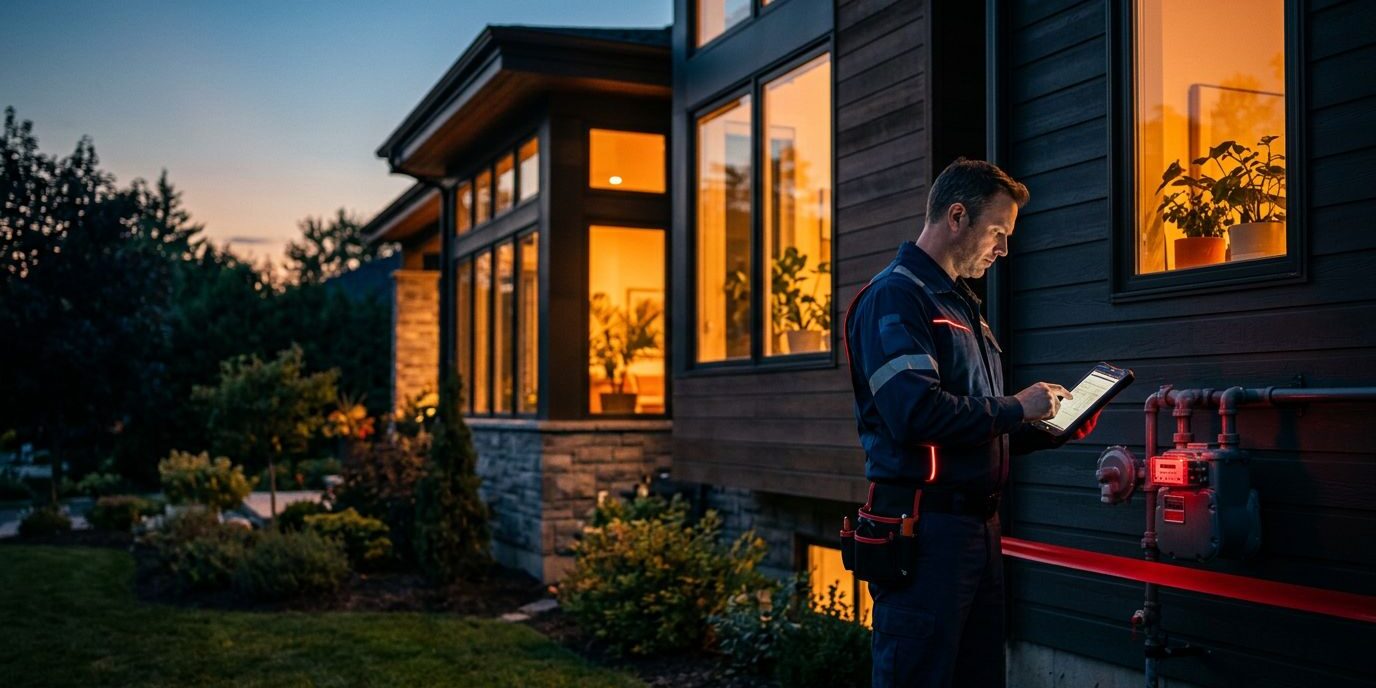
A backup generator can be the right size and still fall short if the gas supply is insufficient. That is why the gas meter upgrade question matters before installation day, not after.
In Southwest Florida, we see this come down to one simple issue: total gas load. A qualified technician will visit your home to calculate the total demand of your appliances. While homeowners often refer to the process as an upgrade, utility companies frequently categorize the physical swap as a gas meter exchange. Some homes already have enough capacity, while others require a larger meter or service line before the generator can run the way it should.
The good news is that the answer is usually clear once the load is checked. We can walk through the signs, the utility review, and the practical steps that keep a project moving.
Key Takeaways
- A gas meter upgrade is not always needed for backup power.
- The answer depends on the combined gas load of your home, including your furnace, water heater, and other natural gas appliances, rather than the generator demand alone.
- Larger standby units, especially those above 20 kW, often need a closer look.
- Florida utilities require a detailed load calculation before they approve a meter change to ensure the infrastructure meets all local safety standards.
- Early planning helps avoid delays, permit problems, and last-minute installation issues.
When a Gas Meter Upgrade Is Needed
A gas meter upgrade becomes necessary when the home’s total demand is higher than the meter and service line can safely supply. That total includes the generator plus all of your existing natural gas appliances, such as a range, water heater, dryer, or pool heater.
If the home runs on propane instead of natural gas, the meter question changes. In that case, we look at tank size, regulator setup, and line capacity, rather than a standard utility gas meter. For natural gas homes, the utility company needs to verify whether the existing equipment can keep up while the generator is starting and while the rest of the house is actively using power.
That is why a backup power project is never just about the generator size. A unit in the 20 kW range or larger can push the gas load high enough that a gas meter exchange becomes a standard part of the installation plan. A useful general reference on this topic is gas meter capacity for standby generators, which explains the same basic rule: the meter must match the full load of the residence.
If we are talking about a larger unit, the meter review becomes even more important. One helpful benchmark is that many 20 kW plus systems can demand well over 300,000 BTU per hour. A 22 kW unit, for example, can require around 327,000 BTU per hour. That is enough to move a home from a scenario where no upgrade is needed to one that requires you to contact the utility provider first.
If you want a clean starting point, our professional backup generator services begin with a comprehensive load check to ensure your system is properly supported.
How We Check Gas Load Before Installation
The meter question is not about the generator alone. It is about the whole house load.
The meter question is about total gas demand, not just generator size.
Utilities often measure service in CFH, which means cubic feet per hour. The technician looks at the generator rating, the full list of natural gas appliances, and the available service size. If the numbers do not line up, the gas meter upgrade or service line change becomes part of the job.
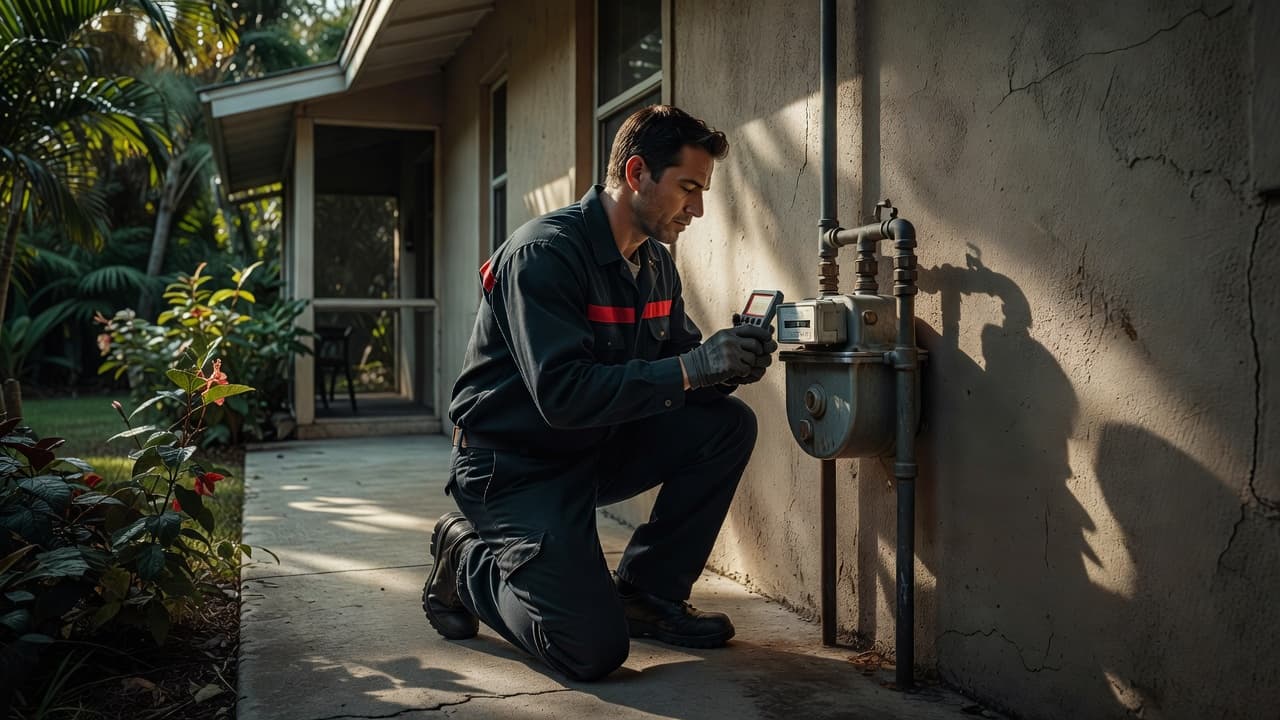
A gas meter check should also confirm pressure. Many standby systems need the right fuel flow at the generator, often around 7 inches water column, and the line has to hold that under demand. If pressure drops when the generator starts, the unit may struggle, stall, or refuse to carry the load.
Modern utility providers often utilize advanced metering infrastructure to monitor flow. Because these systems are calibrated for precise billing accuracy, they rely on specific meter readings to ensure that residential service lines are sized appropriately. This is where larger homes often cross the line. A utility may need to move the home to a 425 CFH or even 600 CFH meter, depending on what else is tied to the gas system. For a deeper look at larger unit sizing, this standby generator meter guide gives a straightforward explanation of how bigger generators raise the demand.
We also look at what is already on the property. A home with a gas water heater and a gas range is one thing. A home with those appliances plus a whole house standby unit is another. The combined load is what matters.
In short, the meter review is a math problem first and an installation issue second. The meter installation process ensures the entire system can handle the combined demand. If the numbers work, the project moves ahead. If they do not, the upgrade happens before the generator is set.
Florida Permits and Utility Approval Add Time
In Florida, the gas meter conversation usually runs alongside permits, inspections, and utility paperwork. That is normal. It also means the project timeline is rarely as simple as just picking a unit and installing it.
The permit office requires significant detail to review the job before work starts. This typically includes a site plan, equipment information, electrical details, and fuel notes. If the generator uses natural gas, the gas service application and load calculation are essential parts of the paper trail. If the meter size changes, the utility company must approve that work before the system is finished.
This process involves specific logistics. A technician will eventually visit your property to perform the gas meter exchange, which requires them to briefly shut off gas service to your home. During this visit, an adult 18 years or older must be present at the residence. You should always ensure that the person arriving at your door presents a valid identification badge before allowing them to begin work. Once the upgrade is complete, the crew will safely relight pilot lights for all gas appliances throughout your home to ensure everything is back in working order.
This is where many delays can happen. A project can look ready on paper, then get stopped by a bad location, a missing equipment sheet, or a fuel line that does not match the load. We see the same thing when a project sits too long without inspection activity. In some parts of Florida, permit files can expire after months of inactivity, so waiting too long can create a new round of paperwork.
Southwest Florida also brings its own rules. Setbacks, exhaust clearance, flood zone elevation, and pad placement all matter. A generator can sit on a good pad and still fail review if the gas service is undersized or the location is too tight near a window or door. The utility, the installer, and the inspector all have to be looking at the same plan.
That is why we prefer to sort out the meter question early. It keeps the rest of the job cleaner.
What Homeowners Should Ask Before They Sign
Before we move forward with a standby power project, we should have a clear answer to a few basic questions:
- What is the current gas meter size? We need the present service capacity before we can judge whether the generator will fit.
- What else is running on gas? Water heaters, dryers, ranges, pool heaters, and outdoor kitchens all matter.
- Who handles the utility application? The meter upgrade should not be left to chance. You can schedule an appointment with your provider to confirm if a standard swap will be performed at no charge.
- Is the generator sized for the home, or just for the price tag? A smaller unit may avoid a meter upgrade, but it may not cover the loads that matter during an outage.
- What does the installation process involve? When your utility provider upgrades your equipment, they often install a smart meter. These devices use radio frequency for remote reading, which allows the company to monitor energy usage patterns and track overall utility usage more efficiently. When the technician arrives, someone 18 years or older must be home to verify their identification badge. The technician will shut off gas service to the property, perform necessary leak detection, and eventually relight pilot lights for your various appliances. Before they leave, they will perform final meter readings to ensure the system is calibrated correctly.
Once that part is settled, ongoing care still matters. A generator needs regular attention after installation, and our scheduled home generator maintenance plans help keep the battery, controls, and fuel system ready when storm season arrives.
If we are planning a system and want straight answers before the job starts, Get a Free Consultation and we can review the gas load, the meter, and the best path forward.
Frequently Asked Questions
How do I know if my current gas meter is sufficient for a new generator?
A professional technician must conduct a full load calculation of your home’s total natural gas demand. This includes the requirements of your generator plus every other gas appliance, such as your water heater, range, and pool heater, to see if they exceed the capacity of your current meter.
What happens if my home requires a larger gas meter?
If your total gas load exceeds your current meter’s capacity, you will need to coordinate with your utility provider for a meter exchange. This process often involves submitting a load calculation, and the utility will physically replace your existing unit with one capable of handling the higher cubic feet per hour (CFH) demand.
Do I need to be home when the utility company performs the meter upgrade?
Yes, an adult at least 18 years of age must be present at the residence during the exchange. The technician will need to shut off your gas service, perform safety checks, and relight the pilot lights for all your gas appliances before they can clear the site.
Does installing a larger generator always require a meter upgrade?
Not necessarily, but it is more common with units sized 20 kW and above. Whether you need an upgrade depends entirely on the combined demand of your existing appliances and the specific flow capacity of the service line currently installed at your property.
Conclusion
A meter replacement is not automatic, and that is the part many homeowners miss. The answer depends on the combined gas load, the generator size, and the capacity already in place.
For many Southwest Florida homes, the existing setup is sufficient. For others, especially with larger standby units, a gas meter exchange is part of the job and should be planned early. When we check these requirements first, the rest of the installation has a much better chance of staying on schedule and working the way it should. Finally, a qualified technician will perform a complete walkthrough to ensure all pilot lights are functional before leaving the site.