


When the storm moves on and the house goes quiet, a generator that refuses to start feels like a bad punchline. The truth is usually less dramatic. Effective whole house generator troubleshooting after a storm usually comes down to battery trouble, fuel issues, water, or a part that was already wearing out.
In Southwest Florida, heat and humidity do half the damage before the first storm ever shows up. Add wind-driven rain and a power outage, and a standby generator may fail right when you need it most. Let’s walk through the places we check first.
Key Takeaways
- Routine Maintenance is Critical: Most generator failures during storms are caused by pre-existing issues like dead batteries or dirty filters that the storm simply exposes.
- Prioritize Battery Health: The battery is the most common point of failure; verify connections, check for corrosion, and ensure the charger is functioning before attempting to restart.
- Clear Debris for Airflow: Ensure the area around the generator is free of storm debris, mud, and vegetation to allow for proper engine cooling and air intake.
- Consult Diagnostic Codes: Use the control panel’s fault messages as your primary guide, but stop attempting to start the unit if errors persist to avoid further damage.
The usual storm-season culprits
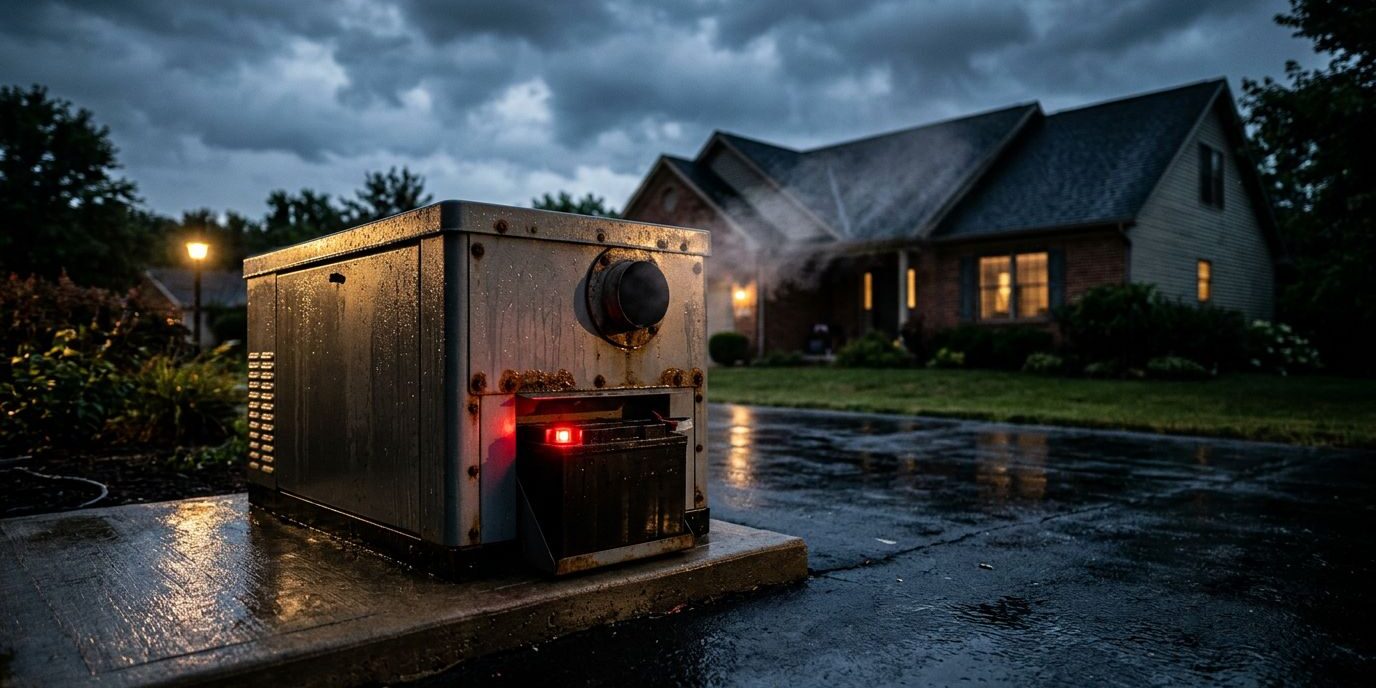
Most air-cooled standby generator models do not fail because of one giant disaster. They fail because a small weakness gets exposed. A weak battery, a tripped breaker, low oil, a fuel valve that was left off, or storm debris around the cabinet can all stop a start cold.
If the unit skipped recent service, the storm did not create the problem. It only exposed it. That is why routine generator maintenance plans are essential for proper generator maintenance, even when the equipment has never acted up before. A weekly exercise cycle can also hide a problem until the day we need real power, which is why a unit that seemed fine last week can still fail today.
We should also remember that a standby generator is not immune just because it is permanent. It still has a battery, a starter, fuel lines, filters, plugs, and a control board. Storm weather pushes all of those parts at once.
Why the battery is the first thing we check
The battery is the heartbeat of the starting system. If it is weak, corroded, or not charging correctly, the engine does not crank when the starter asks for power. That is why a dead battery is one of the first things we rule out after a storm.
A battery can look fine and still collapse under load. We see that when the battery connections are crusted with corrosion, the charger has failed, or the battery is simply old enough to sag when the engine draws power. If the control panel flashes a low-voltage warning, an overcrank message, or a battery fault, that is not a random glitch. It is a clue.
If the panel is dark or keeps throwing a low-voltage warning, we do not keep hitting start. Repeated cranking can drain the battery faster and hide the real problem.
We hear the same story in owner discussions too, including a battery drain after shutdown thread, because a standby unit can lose enough charge while sitting idle to miss the first start. That is one reason battery checks belong in regular service, not as an afterthought after the storm passes.
Fuel, oil, filters, spark plugs, and engine oil level can block a start
Once the battery checks out, we look at fuel flow. A generator can have a full tank or a working utility line and still fail to start if the fuel path is blocked. A shutoff valve left closed, a low propane supply or interrupted natural gas flow, a clogged fuel line, or a drop in fuel pressure can stop combustion before it ever begins.
This is where storm conditions make things messy. Power may be back in the neighborhood, but the generator still has to pull fuel cleanly, and it has to do it under load. If the fuel system is dirty or dry, the engine may crank and never catch.
Oil matters too. Checking your engine oil level is vital, as fresh oil should be changed at least yearly, even if the unit sits unused, and sooner after heavy use. Many units call for oil changes every 100 to 200 hours, depending on the maker. An air filter usually needs attention around every 100 to 150 hours, and spark plugs often need replacement after 200 to 300 hours. When the air filter clogs, airflow drops. When the spark plugs wear out, ignition gets weak. These maintenance tasks are especially important for keeping an air-cooled standby generator running reliably, as neglecting them can turn a simple start into a long, noisy crank.
That is why generator maintenance services are so useful before storm season gets serious. The fix is often not mysterious. It is just overdue care.
Storm debris, water, and bad placement make trouble worse
A generator can be mechanically fine and still refuse to start if the area around it turned ugly during the storm. We check for puddles around the base, sticks in the intake area, mulch pushed against the cabinet, low branches, pool equipment, loose fence pieces, and anything else that can block airflow or leave moisture where it does not belong.
Placement matters more than many homeowners expect. A standby generator is quieter than a portable unit, but it is not silent. If the enclosure sits too close to a bedroom window or a neighbor’s patio, the weekly exercise cycle can become a complaint. If it is boxed in by shrubs, fencing, or storm debris, it may also trap heat and make startup harder.
A generator that cannot breathe freely is usually in the wrong spot, even if the pad looks neat.
We also want to keep carbon monoxide safety in mind. A standby generator outside should never be treated like a sealed appliance. Good clearance, clean airflow, and a proper install all matter at the same time. If the location looks tight on paper, it usually looks worse when the weather gets rough.
What the control panel is trying to tell us
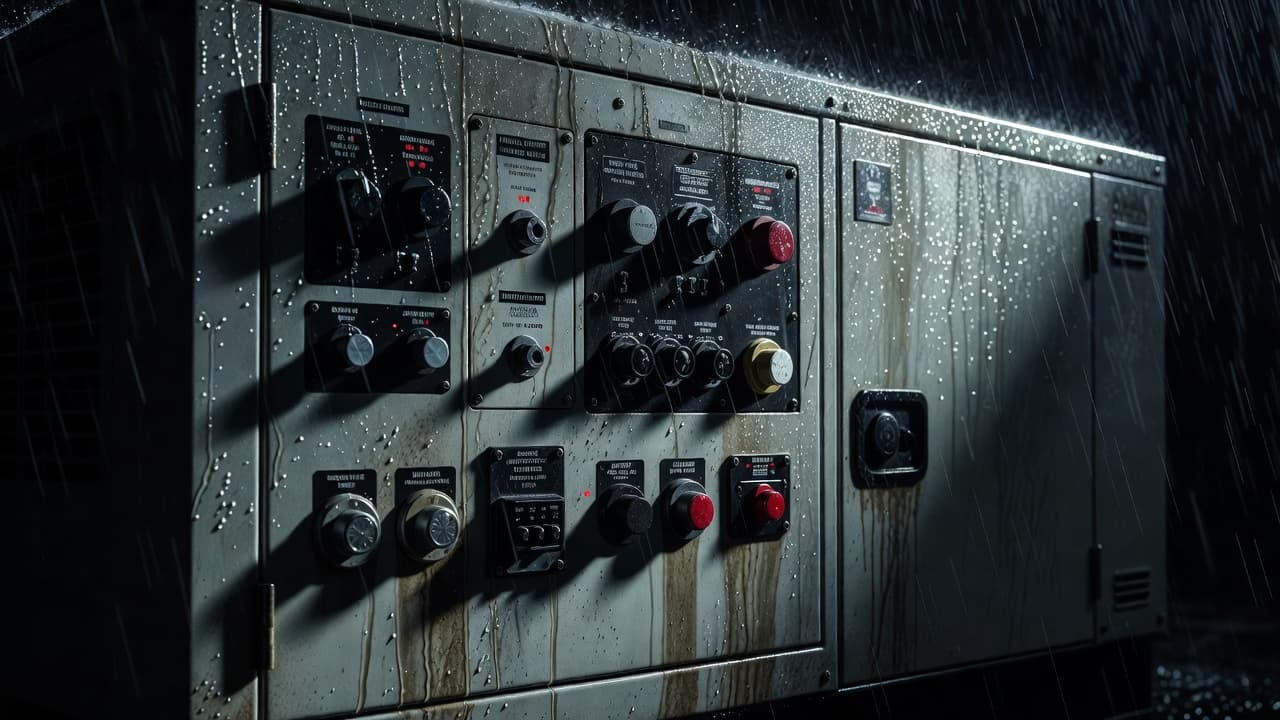
When the panel provides a specific fault code, it usually narrows down the search for the problem significantly. The trick is to read the display carefully before we start guessing. Manufacturers use different labels, but the same common issues appear repeatedly.
| Symptom or message | What it usually means | First thing we check |
|---|---|---|
| Won’t crank or overcrank | Weak battery or fuel issue | Battery, charger, fuel valve |
| Low oil pressure | Oil level or leak problem | Oil, leaks, service history |
| High temperature | Blocked airflow or debris | Cabinet vents and surroundings |
| Undervoltage | Output problem or deeper fault | Professional diagnosis |
| Not in Auto | Control setting changed | Return the switch to Auto |
A code is a helpful clue, but it is not a full diagnosis. If the same warning returns after you perform a reset on the generator controller, we recommend stopping any further DIY attempts and moving to the next step.
When it is time to bring in a technician
If the battery, fuel, oil, and surroundings all check out but your engine does not start, repeated cranking is not the answer. At that point, you are likely dealing with complex issues like a faulty starter, corroded wiring, or internal damage hidden under the housing. Bringing in a certified technician is the safest way to address these technical hurdles, as wet wires and hidden failures are not something you want to chase blindly. Professional expertise ensures that deeper issues, such as a malfunctioning automatic voltage regulator, are addressed through precise diagnostic testing.
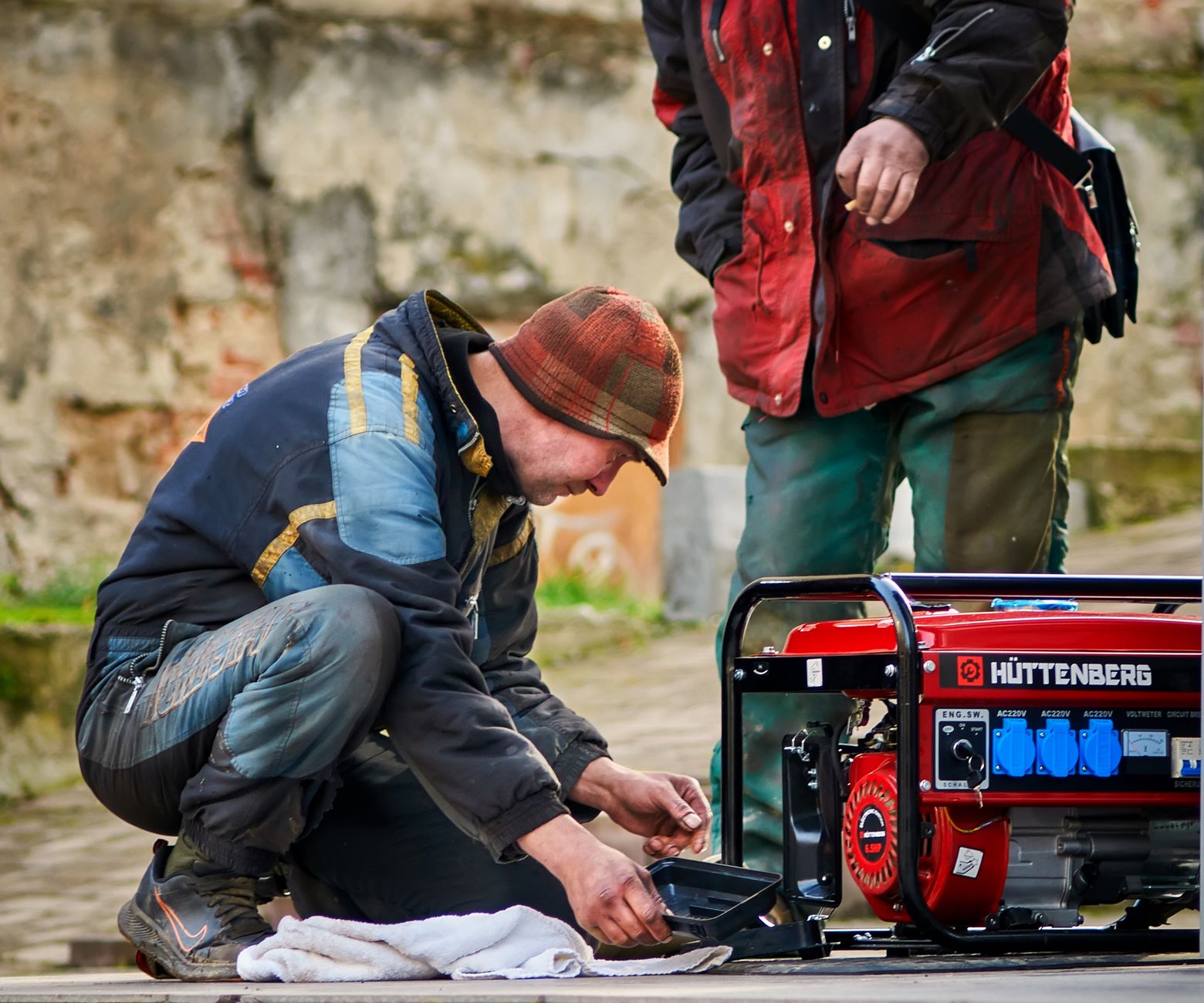
Photo by igovar igovar
A professional service call typically covers several critical areas to restore power:
- Battery output and charging status
- Fuel lines, shutoff valves, and pressure
- The circuit breaker, transfer switch, and electrical connections
- Signs of water entry, corrosion, and monitoring of coolant levels
If you want a straight answer before the next storm band rolls in, Get a Free Consultation. That is often the quickest way to find out whether you need a simple fix or comprehensive professional generator repair services.
Frequently Asked Questions
Why does my generator have a low-voltage warning after a storm?
This usually indicates that your battery is either too weak to turn the engine or the charging system has failed. Avoid repeated cranking, as this can drain the remaining charge and make the issue more difficult to diagnose.
Can I fix a generator that won’t start by myself?
You can check simple items like the oil level, air intake obstructions, and the control panel switch position. If these basic checks do not resolve the issue, professional assistance is recommended to avoid damaging sensitive internal components.
How often should I have my generator serviced?
Regular maintenance should be performed at least annually to address wear and tear on filters, spark plugs, and batteries. Units located in harsh climates, such as those in Southwest Florida, may require more frequent inspections to combat the effects of humidity and extreme heat.
Conclusion
When a whole house generator won’t start after a storm, the problem is usually hiding in plain sight. Battery charge, fuel flow, dirty filters, water, or a specific fault code on the generator controller are the most common culprits. The storm often gets the blame, but the weak spot was likely there before the wind picked up.
The faster we perform effective whole house generator troubleshooting, the less chance we have of turning a small issue into a dead system at the worst possible time. Consistent generator maintenance, which ensures clear airflow and a healthy battery, makes the system much easier to trust when the next outage hits. If your unit still refuses to start, avoid guessing. Rely on the right tests in the right order to get your power back online safely.