


A generator code at the wrong moment can feel like a trap door opening under the whole house.
The unit may still look fine, but the display is telling us something inside the system is off. In Southwest Florida, that warning matters more because heat, humidity, and storm season use put extra strain on your primary backup power source. When your equipment encounters an issue, understanding whole house generator error codes is essential to maintaining your home comfort.
Most of these codes point to a short list of problems, and once we know the pattern, the next step gets a lot clearer.
Key Takeaways
- Codes are Diagnostic Tools: Error codes are not just random numbers; they act as a roadmap provided by the manufacturer to help identify specific issues like fuel problems, battery failure, or overheating.
- Warnings vs. Shutdowns: Understanding the difference is vital—a yellow warning light suggests maintenance is needed soon, while a red light indicates an active system shutdown to protect the engine from damage.
- Avoid Persistent Resetting: Repeatedly clearing an error code without addressing the root cause can lead to further damage; if a fault returns immediately, it requires professional diagnostic attention.
- Preventative Maintenance is Key: Many common faults related to startup and battery performance can be avoided by following a consistent service schedule, checking oil levels, and keeping the unit’s surrounding area clear of debris.
Why standby generators show error codes
Error codes are not random. They are the way the generator control panel communicates that it is time to inspect a specific component before the situation escalates. When you are performing standby generator troubleshooting, these alerts serve as your first clue for diagnosing the problem.
A code can point to fuel delivery issues, battery failure, overheating, low oil pressure, or an electrical fault. While the number on the screen is important, the underlying mechanical or electrical issue is what truly matters.
A code is a symptom, not the whole diagnosis.
Because each manufacturer uses a different system, you should always consult your specific generator diagnostic manual to understand what the alerts mean for your unit. For instance, Generac generator error codes often require different solutions than Kohler generator error codes or Cummins generator error codes. Even though each brand has a unique numbering system, the logic remains consistent across the industry.
If the display shows an alert after a storm, following a long outage, or during a routine exercise cycle, take note of the sequence. Your system is providing a roadmap for where to begin your inspection. Using the official manufacturer resources is the most reliable way to decode these messages and restore your backup power system to normal operation.
The common codes we see most often
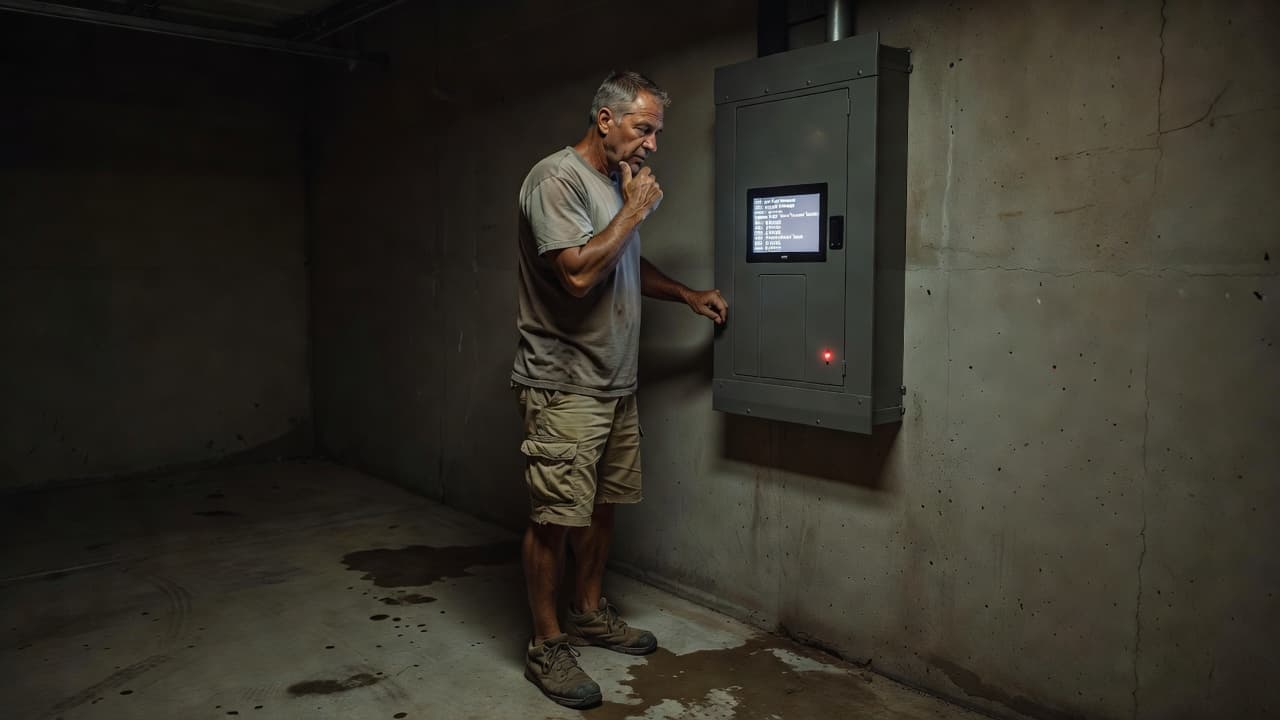
Here are the alerts we see most often on home standby units. While these specific Generac generator error codes are standard for many brands, the numbering can occasionally vary by manufacturer.
| Code or message | What it usually means | First thing to check |
|---|---|---|
| Overcrank Code 1100 | The engine tried to start, but did not catch | Fuel supply, battery charge, and shutoff valves |
| Overspeed Code 1200 | Engine is running faster than it should | Air intake or governor adjustment |
| Low Oil Pressure Code 1300 | Oil level is low, or lubrication is not right | Oil level, leaks, and service history |
| High temperature or 1400 | The engine is overheating | Airflow, debris around the cabinet, and load level |
| Underspeed Code 1600 | Engine is running slower than it should | Fuel pressure or engine maintenance |
| Undervoltage Code 1900 | Output power is below normal | Usually needs professional diagnosis |
| Battery charger fault | The battery is not getting the charge it needs | Battery terminals and charger status |
| Low battery voltage or FC_1 | The battery cannot deliver enough power to start | Battery age, corrosion, and charging system |
| Not in Auto | The control switch is not set for automatic start | Move the unit back to Auto |
| Overload or 2100 | The generator is carrying too much load | Shut off a few circuits and restart |
The code number may change by brand, but the pattern stays familiar. Fuel, battery, heat, and load issues cause a large share of the calls we see. A common culprit for startup failures is RPM sense loss, which prevents the controller from verifying the engine speed. Additionally, a low battery warning or a battery charger fault are common precursors to a failed exercise cycle, which often leads to the unit failing when you need it most. If you encounter a generator overload condition, you should reduce the number of high voltage appliances running on the circuit. Addressing an Overcrank Code 1100 early can prevent further strain on your starting system, while a Low Oil Pressure Code 1300 should always be treated as a priority to avoid internal engine damage.
Warning lights and shutdowns are not the same thing
A warning and a shutdown do not carry the same weight.
A warning light serves as a heads-up. The generator still has a chance to run, but something is drifting out of range. For example, a low battery warning often appears as a yellow light, signaling that maintenance is needed soon. A shutdown, however, means the system decided it was safer to stop than to keep operating.
That difference matters during storm season. A yellow light may point to an issue that can wait until daylight. A red light tells us the unit is protecting itself, and we should not treat it like a minor nuisance. If the unit will not respond at all, you should check if the auxiliary shutdown switch was accidentally bumped or engaged.
During standby generator troubleshooting, it is important to remember that you should not simply reset the generator repeatedly without finding the root cause. If we keep clearing the same fault without addressing the underlying issue, the system usually returns to the same problem. That is why repeated codes require more attention than a one-time alert.
What we can check before calling for service
A few quick checks can save time, as long as we stay on the safe side of the unit.
- Make sure the control switch is set to automatic standby mode.
- Perform a thorough fuel supply check to confirm your natural gas or propane line is open and functioning correctly.
- Verify that your generator oil levels are adequate, as low fluid can often trigger a protective shutdown.
- Look for battery corrosion, loose cables, or a battery that has sat too long.
- Inspect the generator control panel for any secondary messages that might clarify the primary error.
- Clear leaves, dirt, and nesting debris from the air intake and around the enclosure.
- Check whether the code appeared right after a long outage, exercise cycle, or transfer event.
If the code clears and never comes back, we may have caught a simple issue early. If it returns, the problem is deeper than a temporary glitch.
We should also avoid guessing inside the cabinet. Wiring, sensors, and control boards are not the place for trial and error.
When the same code keeps coming back
A code that repeats after you reset the generator is usually a sign that the root cause has not been resolved. When Generac generator error codes persist despite your attempts to clear them, it often points to deeper mechanical or electrical faults that require expert attention.
This is when internal components demand a closer look. The underlying fault may stem from persistent voltage regulator issues, problems with engine RPM detection, or failures within the fuel system, sensor wiring, or critical engine parts. If you want the issue identified and fixed correctly, our generator repair team can narrow down the cause without turning the process into costly guesswork.
This recurring behavior is especially common after a long outage or a particularly rough storm. A standby unit can look perfectly operational on the outside and still fail with the same alarm every time it tries to start. If a fault message refuses to go away, reach out to an authorized service dealer for a professional evaluation before the next storm rolls in.
If the alarm keeps returning, Get a Free Consultation today to ensure your system is ready for the next power loss.
Keeping error codes from showing up again
Most generator faults are easier to prevent than repair. Following a consistent Service Schedule A helps ensure your system remains in peak condition throughout the year.
Fresh oil, clean filters, healthy batteries, and a regular exercise schedule do a lot of quiet work behind the scenes. Regularly checking generator oil levels is a vital part of this routine to ensure the engine runs smoothly. For liquid-cooled systems, coolant levels matter too. For an air cooled generator, maintaining proper airflow clearances around the unit is essential for preventing overheating and subsequent system errors.
A generator that sits for months without attention can develop weak batteries, stale fuel-related issues, or startup problems that only show up when the lights go out. That is why annual service is not busywork. It is the best way to keep a standby system ready when the weather turns ugly. If your maintenance reminder alerts you to an issue you cannot easily resolve, or if you encounter complex internal problems, consulting an authorized service dealer is the best practice to keep your unit running reliably.
We also want the area around the unit clear. Leaves, mulch, boxes, and overgrown shrubs can all block airflow or make inspection harder than it needs to be. A clean setup gives the machine a better shot at doing its job.
Frequently Asked Questions
Can I just clear an error code and keep running the generator?
Resetting a generator without finding the root cause is risky because it often hides a deeper mechanical or electrical issue. If the same fault reappears after a reset, you should stop trying to clear it and instead address the underlying problem or contact a professional.
Why does my generator show a red light instead of a yellow one?
A yellow light is generally a warning indicating that something is drifting out of range and needs attention soon, but the unit may still function. A red light signifies a system shutdown, meaning the generator has detected a critical error and has stopped operating to protect itself from internal damage.
What are the most common causes for a generator to fail during an exercise cycle?
Most failed exercise cycles are caused by simple issues like battery neglect, fuel supply interruptions, or debris blocking the air intake. Since the unit runs on a schedule, these minor faults often go unnoticed until the system fails to start as expected.
How often should I perform maintenance to prevent these error codes?
Following a consistent, professional service schedule is the best way to avoid unexpected alerts. You should perform regular visual inspections of the oil, battery, and air intake area, and ensure the unit is serviced annually to address internal components before they trigger a system fault.
Conclusion
Most whole house generator error codes point back to a handful of familiar issues, such as fuel, battery, airflow, load, or a control setting that needs adjustment. By understanding these alerts, you can use your standby generator troubleshooting skills to turn a confusing screen into a helpful checklist, which is a much better position to be in when the weather is rough and the power is out.
Whether you are deciphering common Generac generator error codes or diagnosing a different unit, the safest move is simple. Catch the warning early, fix the underlying cause, and keep your generator ready for the next outage.