



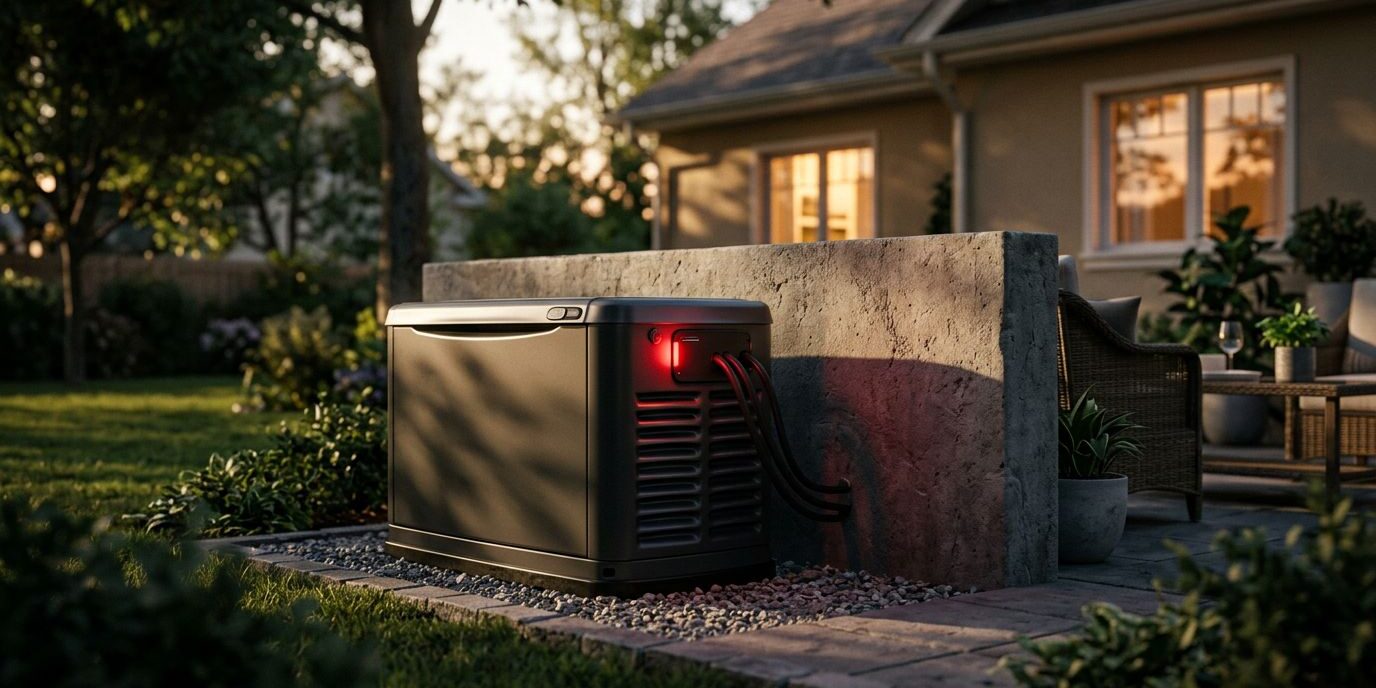
Dealing with power outages is stressful enough, so your backup power system should not become an additional source of frustration. Understanding standby generator noise levels is the first step in ensuring your equipment operates unobtrusively. While these units are not completely silent, their sound output is typically manageable, and the noise profile can reveal important information about how your system is installed and maintained.
In Southwest Florida, we have to be particularly mindful of patio spaces, neighboring windows, pool areas, and the timing of weekly test cycles. A generator in an unfortunate location can sound much louder than necessary, whereas a well-placed unit often fades into the background. Once you are familiar with the standard standby generator noise levels, you will find it much easier to identify when something sounds off or requires professional attention.
Key Takeaways
- Standby generators typically operate between 60 and 70 dBA at a distance of 23 feet, a level comparable to a normal conversation.
- Proper installation location is critical, as hard surfaces like brick walls and fences can reflect sound and increase perceived noise levels.
- A steady, predictable hum is normal, while rough engine sounds, persistent rattling, or erratic startups often indicate a need for professional maintenance.
- Regular routine servicing, including oil changes and engine inspections, is the most effective way to maintain factory-specified noise ratings.
- Choosing high-quality units with sound-attenuated enclosures significantly reduces operational noise compared to older or portable models.
What a standby generator sounds like day to day
A standby generator typically produces three distinct sounds: the initial start-up, the steady running hum, and the brief shutdown at the end of the cycle. That steady hum is the part most homeowners notice first. While these systems are not silent, they are designed to function in the background, offering a much more pleasant experience than the loud portable generators many people are accustomed to.
Most of the time, the sound should be even and predictable. You will hear the engine come up to speed, settle into a rhythm, and maintain that level. For example, many Generac generators are engineered for efficiency and are often measured at approximately 60 to 70 decibels (dBA) when standing at a distance of 23 feet. This sound level is often comparable to normal conversation, making it far less intrusive than the harsh noise of an open-frame portable unit. Even when compared to modern inverter generators, which are known for their quiet operation, a well-installed standby unit remains quite reasonable for a residential environment.
The noise difference stems from the design. A portable generator is usually much louder because it operates in the open without an enclosure. In contrast, a standby unit is built with sound attenuation in mind. While it is not perfectly quiet, the internal housing keeps the volume in a livable range for a home setting. During the weekly exercise cycle, the engine runs for a short period, which is standard practice to keep the system in top shape. If the unit is installed correctly, the noise should be present but never obnoxious.
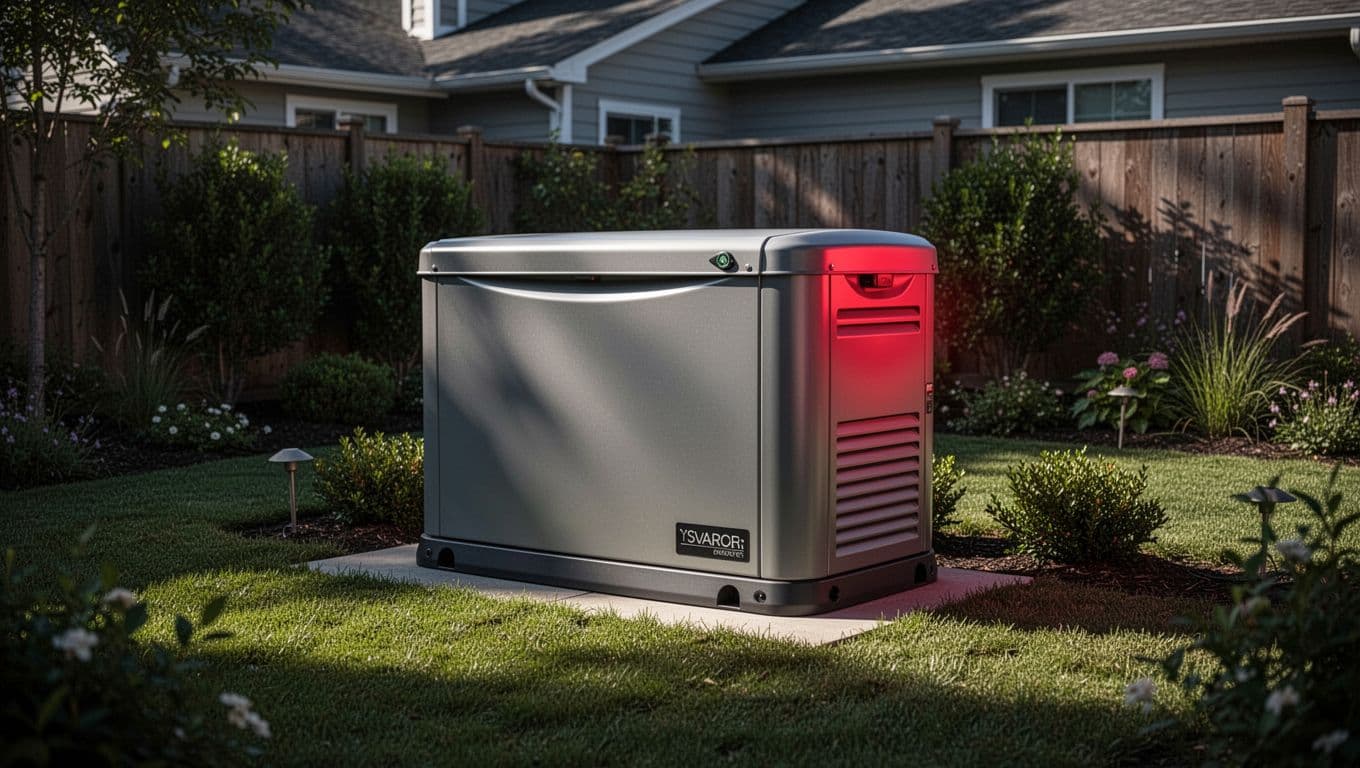
If the sound changes, you should pay attention. A generator that starts sounding rough or erratic is usually giving you a warning before a mechanical issue occurs.
What changes the noise level
Noise levels depend on more than just the machine itself. It is a combination of the generator, the surrounding environment, and the overall condition of the system. To understand this, it helps to look at noise ratings measured on the decibel scale. Because this is a logarithmic scale, even a small numerical increase represents a significant change in perceived loudness. For example, a difference of just a few decibels can make a generator go from sounding like a quiet dishwasher to a much more intrusive hum.
The environment plays a huge role in this experience. A generator in a tight side yard sounds much louder than the same unit sitting in an open, well-planned location. Hard surfaces, fences, and nearby walls reflect sound, which makes the output feel sharper and more intense.
The power output also changes the acoustic profile. When your home pulls more electricity during an outage, the engine works harder to meet that demand. This increased load forces the engine to run at higher speeds, which directly impacts the noise generated. Additionally, system health is vital. Weak batteries, poor charging cycles, or loose hardware can lead to rough startups, and a struggling engine is rarely quiet.
Here is a quick look at the most common noise triggers we see:
| What affects the sound | What we usually hear | What helps |
|---|---|---|
| Tight placement | Echo, sharper hum | Better spacing and airflow |
| Heavy power demand | Engine sounds harder working | Proper sizing |
| Loose parts or worn hardware | Rattle, buzz, clatter | Inspection and repair |
| Battery or charging issues | Long cranking, repeated starts | Battery testing and service |
The table summarizes the factors clearly. When the generator is healthy and situated in a well-ventilated area, the sound stays consistent. When the load spikes or mechanical issues arise, the noise changes accordingly. Keeping your system well-maintained is the best way to ensure the sound levels remain within the expected range.
Why placement matters more than most people think
A generator can be built well and still sound wrong if it sits in the wrong spot. We see this often near bedroom windows, patio corners, or narrow side yards. In a residential area, these spaces can be problematic because sound bounces off hard surfaces like brick walls or fences, which makes the unit feel significantly louder than it actually is. Manufacturers test sound levels at 23 feet, but if your unit is tucked into a tight corner, those reflections can easily bypass that standard and violate local noise ordinances.
This is where your choice of installation location starts paying off. Proper spacing ensures adequate airflow, which helps the generator run cooler and more efficiently. A smart location also keeps the noise away from the areas where you spend your time, which is the part most homeowners care about once the power goes out and the unit is actually running.
If we are still figuring out the best spot, knowing where to place your standby generator is the first thing we should look at. Placement is not a minor detail. It is one of the main reasons one installation feels seamless and another one becomes a constant nuisance.
In Southwest Florida, we also have to watch for debris, drainage, and salt air exposure. A location that traps water or collects leaves is going to create more maintenance later. That does not just affect the longevity of the machine. It can affect the sound too, especially when the unit has to work harder to breathe and cool itself.
When the noise means something is wrong
A healthy backup power system should sound smooth and consistent. If your generator starts sounding rough, you should not brush it off. The most common trouble signs are usually easy to hear once you know what to listen for, and identifying them early is key to maintaining the factory noise ratings of your unit.
- Start-up takes longer than it used to.
- The engine cranks several times before it catches.
- You hear grinding, knocking, or fast clicking.
- The unit rattles more than normal.
- The sound changes every few seconds instead of staying steady.
Those changes can point to battery trouble, a fuel issue, a loose connection, or a part that is wearing out. Often, abnormal sounds suggest failures in the muffler systems or degradation of the internal acoustic insulation. We also see problems tied to coolant levels, corroded wires, clogged fuel lines, and circuit breaker issues. None of that is complicated; it is routine wear and tear, and routine maintenance is what professional service visits are for.
A generator that stalls, shakes, or starts loudly and unevenly is trying to tell you something. The same goes for a unit that seems fine one month and suddenly sounds strained during its weekly test. That is the kind of early warning you do not want to ignore, as addressing these mechanical red flags promptly ensures your equipment continues to perform reliably and quietly.
How to keep the noise manageable
The most effective way to keep your standby generator from becoming a noise nuisance is through a combination of professional installation and consistent upkeep. Routine service, including oil changes, filter replacements, and spark plug checks, ensures the engine runs smoothly and quietly. By monitoring cables and connections, we catch issues like weak voltage or poor charging before they affect your power output during storm season.
Modern technology has also made significant strides in sound management. If you are concerned about decibel levels, high-end units such as Kohler standby generators and the Cummins Quiet Connect series are engineered with specialized sound-attenuated enclosures. These sound-dampening enclosures are designed to keep noise to a minimum while maintaining peak performance. While inverter generators are often recognized for their quiet operation, newer standby models now mirror that efficiency, providing reliable backup power without excessive noise.
Maintenance extends to your fuel system as well. Whether your unit runs on natural gas, propane, or diesel, the system relies on stable fuel delivery to prevent the engine from laboring or sounding rough. Remote monitoring provides an extra layer of protection, allowing us to track battery health, test cycles, and alerts through a smart panel or app. This does not replace manual service, but it gives us a clear picture of how your system is performing between visits.
A clean install is just as important as a clean service record, and professional whole house generator installation in Southwest Florida is where many potential noise issues are solved before they start. We keep the bigger picture in view with our comprehensive whole home stand-by generator services, as we know that sound, efficiency, and maintenance all tie together to provide peace of mind.
If you are ready for an assessment, Get a Free Consultation is the best place to start. A short site visit from our team can answer more questions about noise levels and equipment placement than a long guess ever could.
Frequently Asked Questions
How loud is a standard standby generator?
Most modern standby generators operate at approximately 60 to 70 decibels (dBA) when measured from 23 feet away. This volume is similar to the level of a normal conversation, making it unobtrusive for most residential settings.
Can my home’s layout affect generator noise?
Yes, the installation environment significantly impacts how loud your generator sounds. Placing a unit in a tight side yard or near hard surfaces like brick walls causes sound to reflect and echo, making the machine seem much louder than its actual decibel rating.
Why does my generator sound louder when there is a power outage?
When your home demands more electricity during an outage, the generator engine must work harder to meet that power load. This increased engine strain often results in higher RPMs and a more pronounced, harder-working sound profile.
How can I tell if my generator’s noise indicates a problem?
A healthy generator should maintain an even, consistent hum during its operation. If you hear grinding, knocking, or a sudden change in tone from your usual weekly test cycle, it is a warning sign that the unit requires a professional inspection.
Conclusion
Standby generator noise levels are rarely unpredictable. Ultimately, the sound you experience is a product of both engineering and proper installation. While most units are designed to operate within specific decibels (dBA) ranges, the actual output is heavily influenced by site placement, current load, and routine maintenance.
Understanding standard noise ratings helps you set realistic expectations for your home. You should generally anticipate a steady hum during operation, accompanied by a brief start-up and a short weekly test. If the sound becomes louder, rougher, or uneven, it is a clear signal that your system needs attention. By prioritizing quality installation and regular care, you can ensure your generator provides reliable power and peace of mind without becoming an unwanted fixture in your daily life.