



Permits Required for Whole Home Generator Installation: What Every Florida Homeowner Should Know
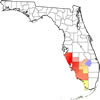 In Southwest Florida, power outages are more than just an inconvenience—they can disrupt daily life and compromise safety. That’s why many homeowners are turning to whole home generators for reliable backup power. However, before installation begins, it’s essential to understand the permits required for whole home generator installation. At SWFL Generator, we specialize in residential and commercial generator solutions, and we guide our clients through every step—including the permitting process. With over 20 years of experience, we ensure your installation is smooth, compliant, and stress-free.
Why Permits Are Necessary
First and foremost, permits are required for whole home generator installation to ensure safety and code compliance. Generators involve complex electrical systems, fuel connections, and structural components. Therefore, local governments mandate permits to verify that installations meet building codes and safety standards. Without proper permits, homeowners risk fines, delays, and even removal of the generator.
Moreover, permits protect your investment. They confirm that licensed professionals are handling the work and that inspections are completed. This not only safeguards your home but also adds value should you decide to sell in the future.
Types of Permits Required
Depending on your location and the scope of your project, several permits may be required. These typically include:
Electrical Permit: Since generators connect directly to your home’s electrical system, this permit is essential. It ensures that wiring, transfer switches, and load calculations are properly installed.
Gas or Plumbing Permit: If your generator runs on natural gas or propane, a permit is required for fuel line installation.
Building Permit: In some cases, structural changes or pad installations may require a building permit.
Zoning Approval: Local zoning laws may restrict where generators can be placed. Approval ensures your unit complies with setback and noise regulations.
Each municipality has its own requirements. Therefore, working with experienced professionals like SWFL Generator is crucial. We handle all necessary paperwork and coordinate with local officials to keep your project on track.
The Permit Process Explained
The permitting process begins with a site evaluation. Our certified technicians assess your property, electrical panel, and fuel source. Next, we create detailed plans and submit them to the appropriate authorities. Once approved, we schedule the installation and arrange for inspections.
Although this process may seem complex, we simplify it for our clients. Our team has extensive experience navigating Florida’s permitting landscape. We know what each county requires and how to avoid common pitfalls.
Permits Required-Common Challenges and How We Overcome Them
Permit delays can occur due to incomplete applications or missing documentation. However, our attention to detail ensures that submissions are accurate and complete. Additionally, some homeowners worry about zoning restrictions or HOA rules. We address these concerns early by reviewing local ordinances and communicating with homeowner associations.
Another challenge is coordinating inspections. These must be scheduled at specific stages of the installation. Fortunately, our team manages this process efficiently, minimizing downtime and keeping your project moving forward.
Why Choose SWFL Generator
At SWFL Generator, we are proud to be SWFL’s premier residential and commercial generator installers. Our team is fully licensed and insured (Florida #EC13011322), and we are certified dealers for Generac and Briggs & Stratton. We pride ourselves on quality, promptness, and professional service.
From riser diagrams to load calculations, we handle every technical detail. This ensures your generator operates safely and efficiently for years to come. We also offer maintenance, repair, and monitoring services to keep your system in top condition.
Enhancing Your Installation with Brick Pavers
Many homeowners choose to install their generator on a brick paver pad. Let’s briefly explore the pros and cons of this option.
Pros:
Brick pavers offer a durable and attractive base.
They resist cracking and provide excellent drainage.
Easy to replace if damaged or stained.
Cons:
Higher upfront cost compared to concrete.
May require sealing to prevent weed growth.
Color fading over time due to sun exposure.
Despite these drawbacks, brick pavers remain a popular choice for homeowners seeking both function and style.
Ready to Get Started?
If you’re considering a generator, understanding the permits required for whole home generator installation is the first step. At SWFL Generator, we make the process easy and stress-free. From initial consultation to final inspection, we handle everything with precision and care.
Call us today at (239) 222-1672 to schedule your free quote. Let us show you why we’re Southwest Florida’s trusted experts in generator installation. Because when the power goes out, your peace of mind should stay on.